

The era of AI-driven predictive maintenance is actively transforming how we monitor high-value industrial assets. Today, advanced computer vision algorithms can identify microscopic corrosion and structural anomalies with unprecedented accuracy. But an AI model is only as smart as the data it receives.
In hazardous environments like oil refineries, chemical plants, and offshore rigs, capturing high-quality data is incredibly difficult. Poor lighting and strict safety regulations create massive barriers. As specialists in explosion-proof equipment, Atexxo Manufacturing knows that the success of any AI inspection platform ultimately relies on the physical hardware used in the field.
The connectivity barrier and the edge AI solution
A common mistake in modern industrial AI strategies is an over-reliance on the cloud. Hazardous industrial sites are notorious for connectivity dropouts due to thick containment walls and remote offshore locations. If an inspection system requires a continuous 5G or Wi-Fi connection to function, it will inevitably fail in the field.
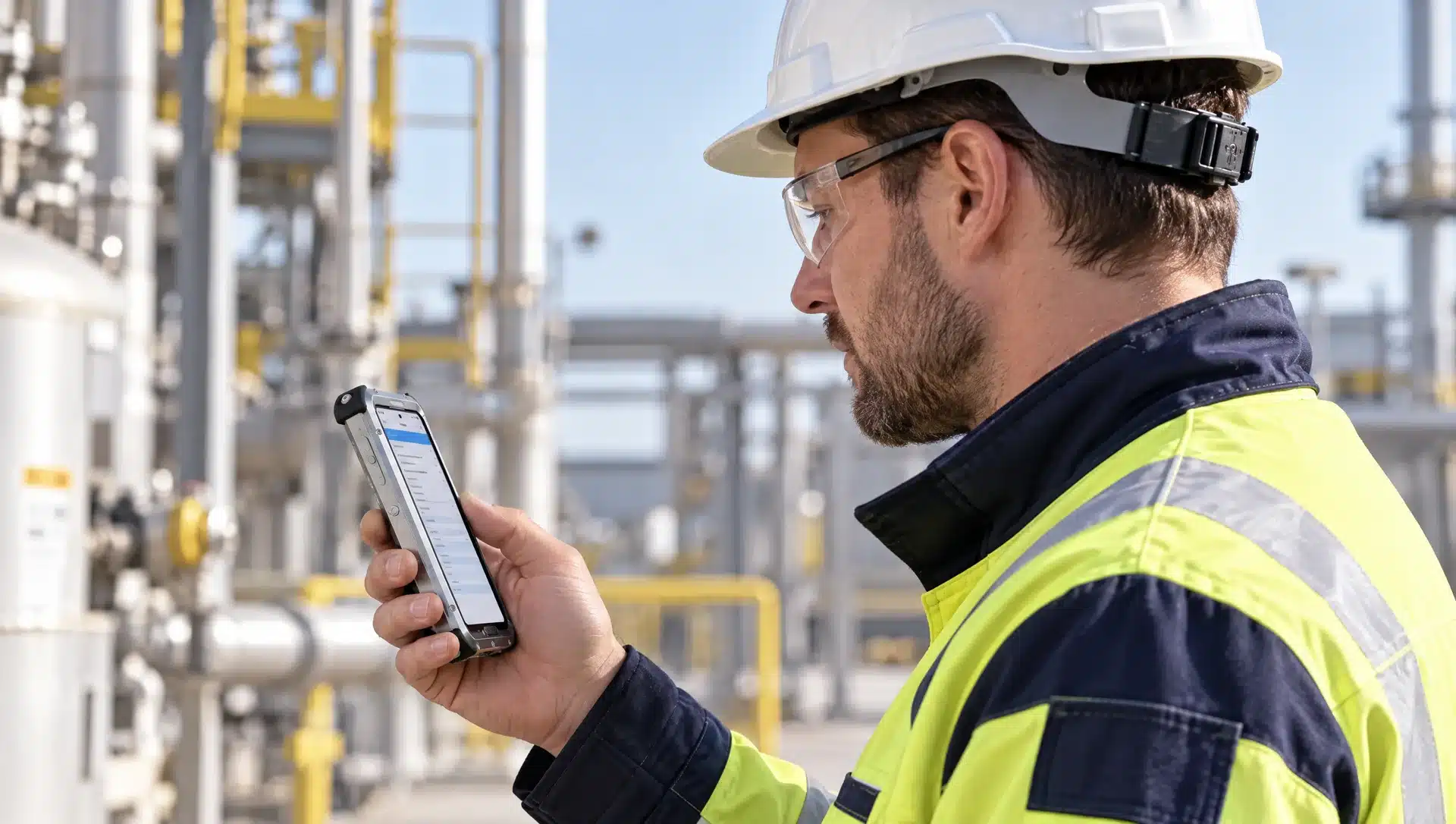
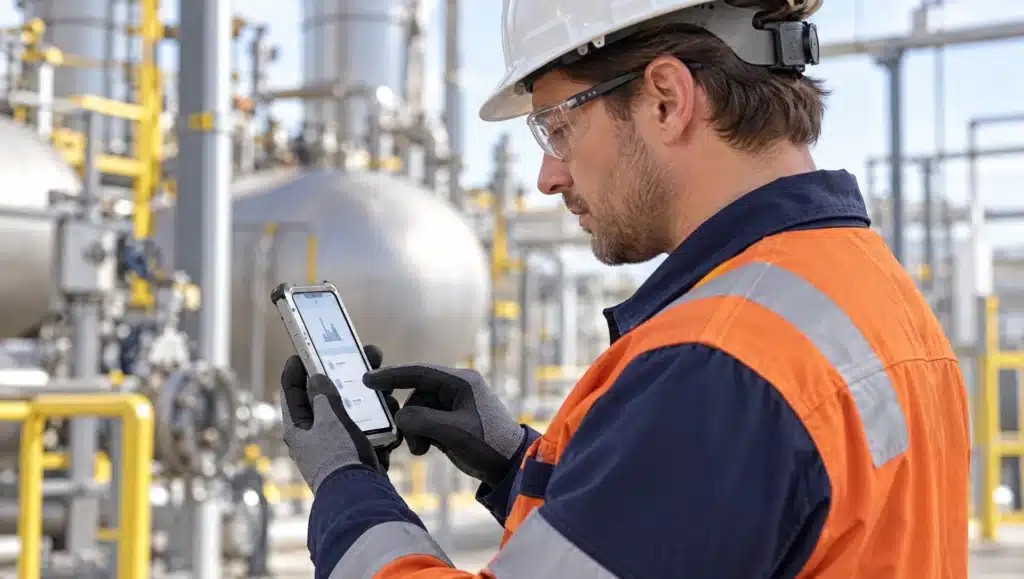
Edge AI changes the game by processing machine learning algorithms directly on the local device, bypassing the need for an internet connection. When an inspector points their device at a piece of equipment, onboard neural processing units analyze the image locally. This offline capability empowers workers to make critical safety decisions in real-time, exactly where the action happens.
Quality data requires premium hardware
Machine learning models are highly sensitive to image degradation; if a camera struggles with low resolution or motion blur, the AI’s diagnostic accuracy plummets. To fuel these algorithms, technicians need premium, modern optics—which traditionally pose an ignition risk in volatile atmospheres.
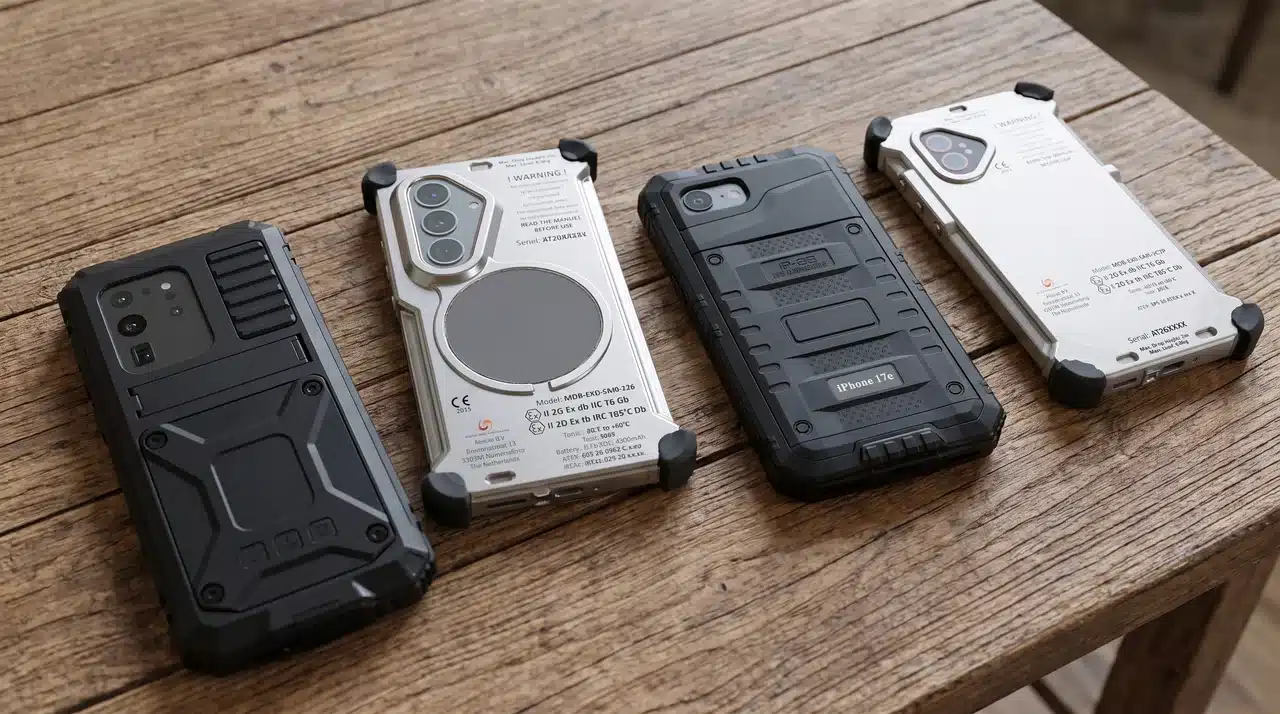
Atexxo bridges this gap by engineering explosion-proof conversions of the world’s most advanced mobile devices. Deploying cutting-edge, intrinsically safe smart devices unlocks several advantages for AI workflows:
- Flawless visual inputs: high-resolution lenses and image stabilization ensure AI models receive crisp, standardized data.
- On-device machine learning: modern mobile chips run complex defect-detection models locally without draining battery life.
- Advanced depth mapping: built-in LiDAR scanners map the exact 3D spatial dimensions of a defect, allowing algorithms to accurately calculate the volume of corrosion.
Fueling the dynamic digital twin
The data captured on site serves as the lifeblood of an asset’s digital twin. When field workers use Atexxo’s certified devices to run daily inspections, every high-resolution photo and LiDAR scan is enriched with precise metadata.
Once the device reconnects to a safe network, this data syncs to the enterprise database. Over time, this creates a comprehensive visual timeline of every pipe and valve, allowing operators to predict equipment failure before it happens and optimize maintenance schedules.
Frequently asked questions
Is standard industrial camera resolution enough for AI analysis? For AI-driven computer vision, standard resolutions often fall short. Detecting hairline fractures or microscopic paint degradation requires a high pixel density (typically 12 megapixels and 4K video). This is why Atexxo converts high-end commercial smartphones, ensuring algorithms have pristine detail.
Will AI cameras eventually replace human inspection teams in ATEX zones? No. While AI is exceptionally fast at identifying pre-trained defects, it lacks human context. AI handles routine data crunching, freeing up human engineers to focus on complex problem-solving and immediate safety interventions.