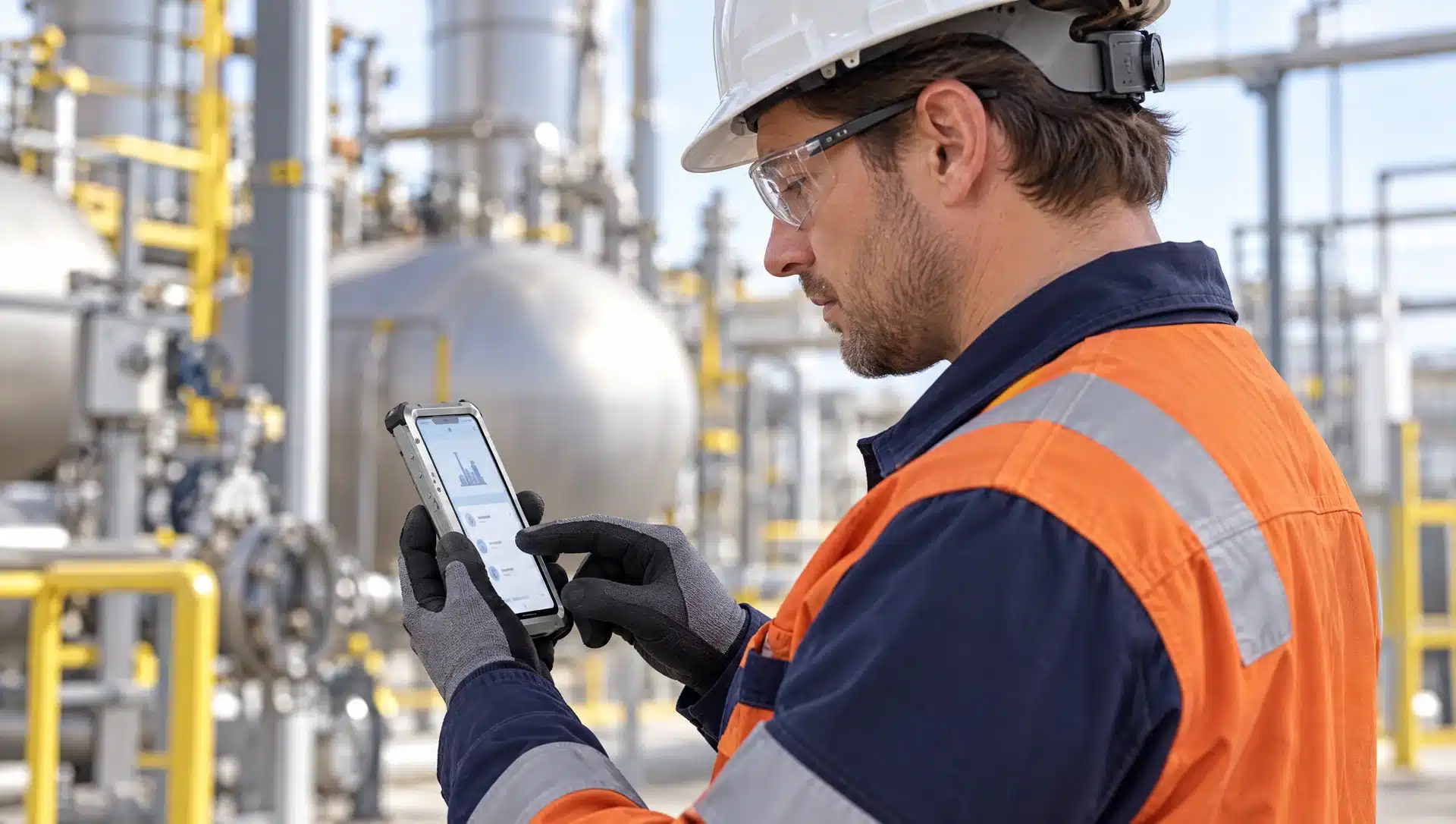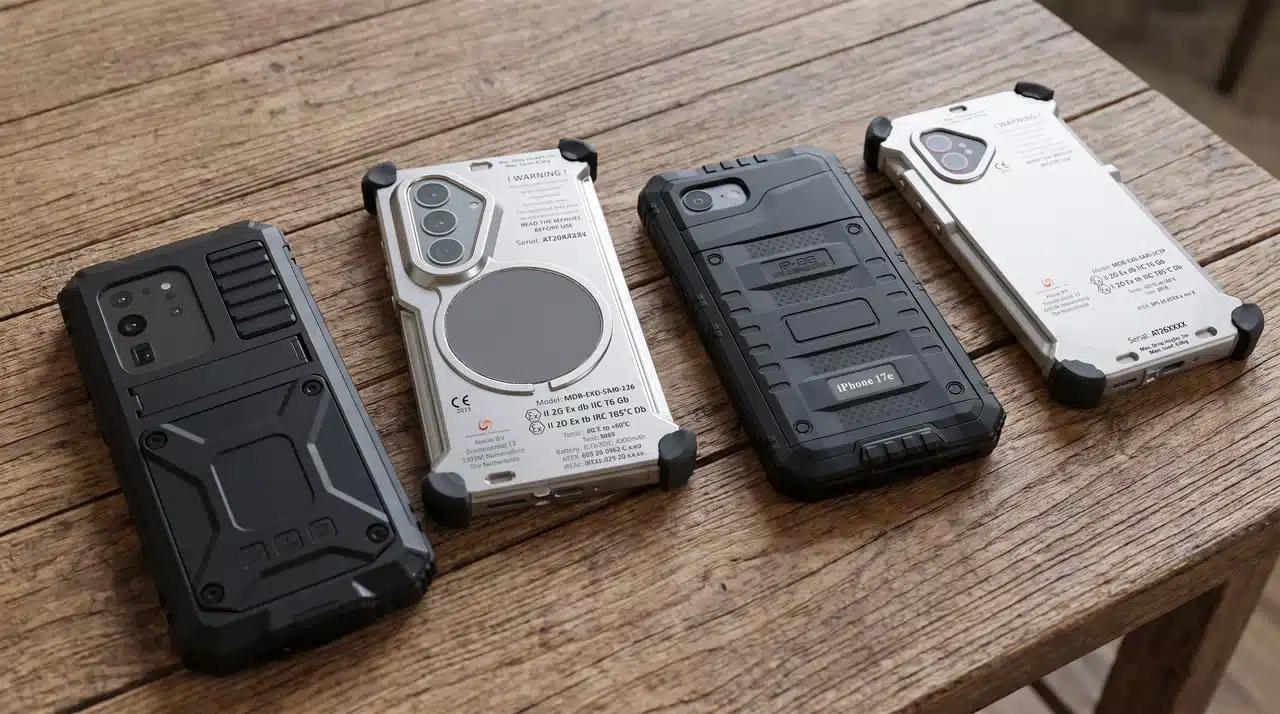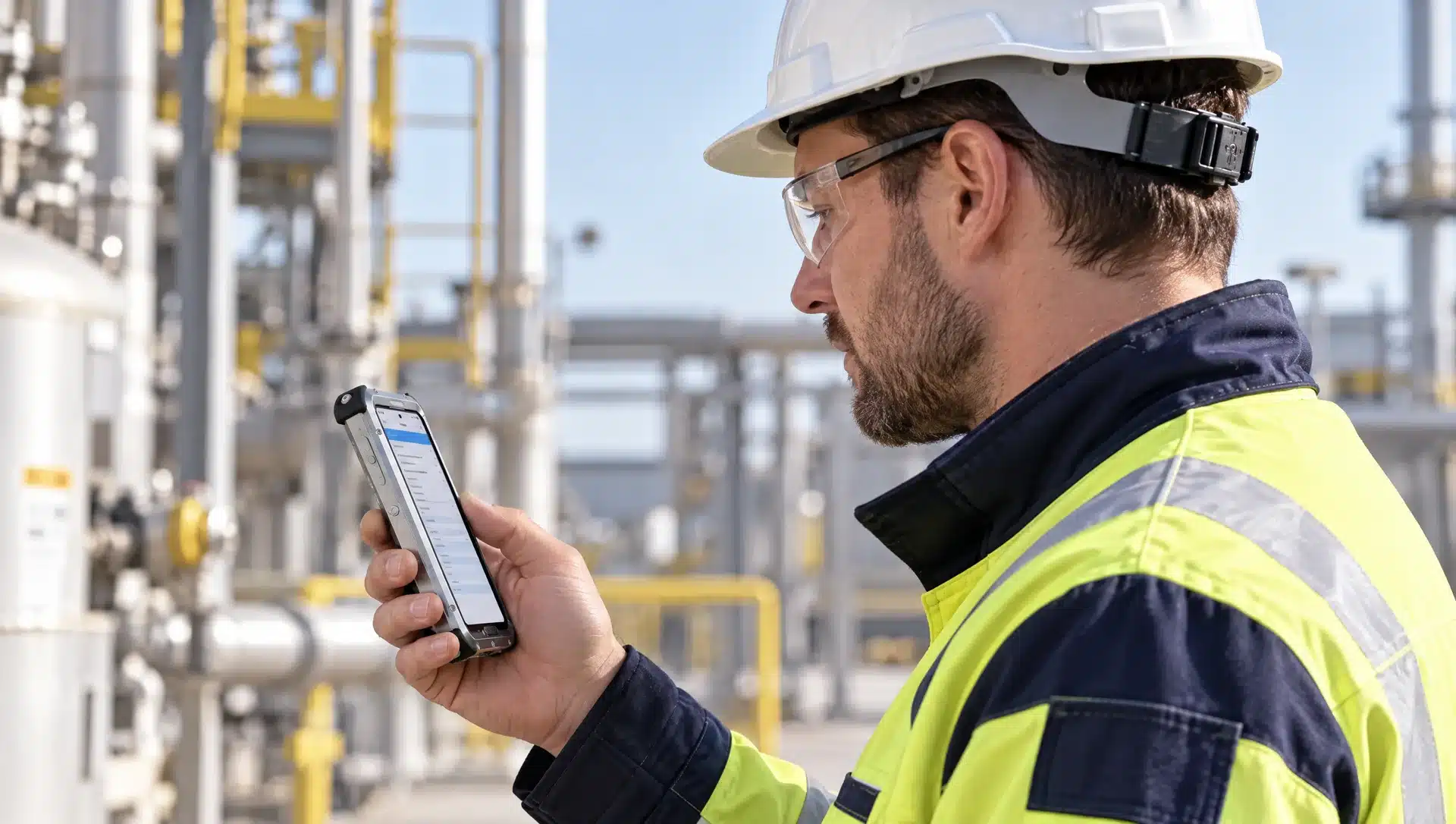


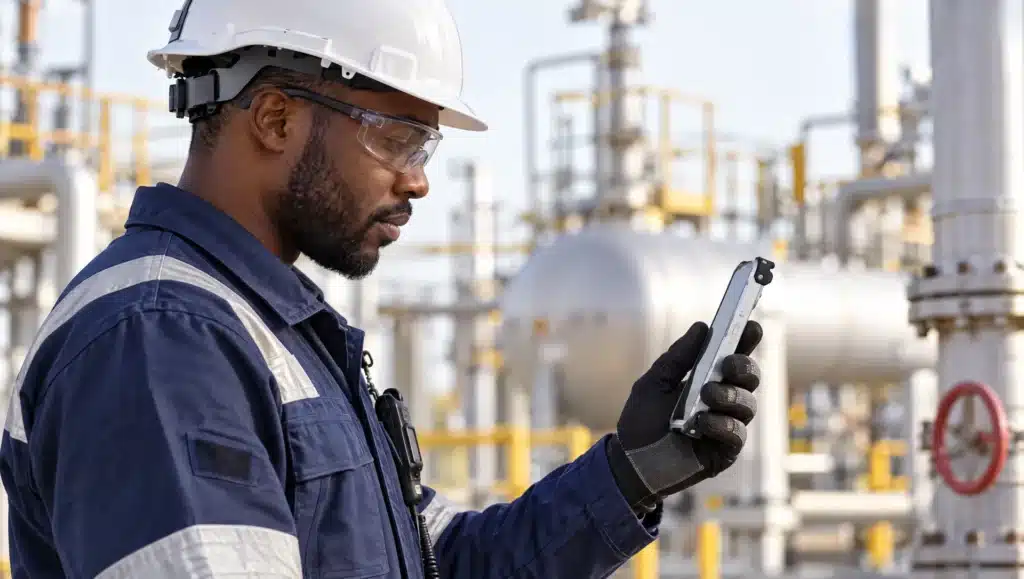
Securing mobile devices in ATEX and IECEx Zone 1 hazardous areas requires evaluating both physical explosion safety and enterprise IT governance across both iOS and Android platforms. Rather than viewing one operating system as inherently superior, modern facilities achieve optimal security by selecting the platform that best aligns with their existing enterprise management infrastructure.
| Evaluation vector | Apple iOS (Atexxo Ex-case) | Enterprise Android (Atexxo Ex-case) |
| Silicon security module | Standardized Secure Enclave across all devices | Samsung Knox / Google Titan hardware security |
| Zero-touch deployment | Apple Business Manager (ABM) & ADE | Android Enterprise Zero-Touch enrollment |
| Security patch lifecycle | Direct updates from Apple for 6–8 years | Up to 7 years of OS & security updates on flagship models |
| App sandboxing & vetting | Closed ecosystem; App Store & VPP catalogs | Google Play Protect; enterprise EMM app controls |
| Ecosystem flexibility | Unified, highly standardized OS environment | Diverse form factors & support for custom internal APKs |
Hardware-backed security architectures
Both modern iOS and enterprise-grade Android platforms rely on silicon-isolated security modules to safeguard encryption keys and biometric data:
- Apple Secure Enclave: A dedicated hardware coprocessor isolated from the primary application CPU. It manages AES-256 encryption keys and Face ID biometric authentication locally on chip, ensuring that sensitive data remains protected even if the core kernel is targeted.
- Samsung Knox & Google Titan: Enterprise-grade Android devices—such as the Samsung Galaxy S-series converted by Atexxo—feature hardware-based security platforms. Samsung Knox provides real-time kernel protection, hardware root-of-trust verification, and isolated memory storage that meets stringent global government security compliance standards.
Automated zero-touch fleet provisioning
Deploying mobile hardware to remote offshore platforms or refineries requires an automated, over-the-air provisioning pipeline that eliminates manual IT staging:
- Apple Business Manager (ABM): Integrated with enterprise Mobile Device Management (MDM) platforms like Microsoft Intune or Jamf, ABM enables Zero-Touch Automated Device Enrollment. When an Atexxo-enclosed iPhone powers on in the field and connects to Wi-Fi or 5G, corporate security profiles, certificates, and work applications download automatically.
- Android Enterprise Zero-Touch: Android offers a parallel zero-touch enrollment ecosystem. IT administrators pre-configure device profiles inside their EMM/MDM portal (such as SOTI, Workspace ONE, or Intune). Devices ship sealed in their Atexxo Zone 1 enclosures directly to field technicians, automatically applying security policies upon initial network connection.
Long-term security patch lifecycles
In Operational Technology (OT) networks, unpatched mobile endpoints represent a potential vector into plant control systems. Historically, Android devices suffered from inconsistent update cadences across various manufacturers and carriers. However, modern flagship Android platforms have closed this gap significantly:
- Unified OS patching on iOS: Apple issues zero-day security updates directly to all supported hardware simultaneously, providing direct software support for 6 to 8 years.
- Extended Android update commitments:Flagship Android smartphones (such as current Samsung Galaxy S-series models) now offer up to 7 years of guaranteed operating system upgrades and security patches. This extended lifecycle matches long-term industrial hardware requirements and eliminates software fragmentation risks.
App governance and malware mitigation
Controlling application execution is critical when mobile devices interact with plant safety telemetry or electronic Permit-to-Work (ePTW) applications:
- Application sandboxing: Both iOS and modern Android isolate every application within its own encrypted memory sandbox, preventing unauthorized scripts from accessing adjacent enterprise data or system files.
- Controlled app distribution: Enterprise IT administrators can enforce strict app distribution controls on both platforms. While Android inherently supports direct APK installation for proprietary in-house industrial software, IT security teams can restrict public sideloading via MDM policies, enforcing mandatory Google Play Protect scans and private enterprise app store distribution.
By housing flagship smartphones—whether iOS or Android—inside precision-engineered Atexxo explosion-proof enclosures, industrial operators achieve complete physical ATEX/IECEx Zone 1/21 safety without sacrificing digital cybersecurity or fleet governance.
Frequently asked questions
Can Android smartphones achieve defense-grade security in Zone 1 environments?
Yes.Modern flagship Android smartphones equipped with hardware security chips (such as Samsung Knox) deliver enterprise-grade data encryption and real-time kernel protection. When managed via Android Enterprise MDM policies and housed in an Atexxo explosion-proof enclosure, Android devices provide robust digital security alongside physical ATEX Zone 1 compliance.
How does zero-touch deployment work for remote offshore facilities?
Both Apple Business Manager (for iOS) and Android Enterprise Zero-Touch allow IT administrators to assign devices to corporate MDM servers over the air. Devices can be shipped directly to remote site technicians inside their Atexxo enclosures. Upon initial Wi-Fi or cellular activation, corporate security settings, VPN profiles, and enterprise apps install automatically without manual IT handling.
Does Atexxo Manufacturing support both iOS and Android device conversions?
Yes. Atexxo Manufacturing engineers certified explosion-proof conversions for leading smartphone models across both iOS and Android platforms, allowing enterprise IT departments to standardize on their preferred operating system across Zone 1, Zone 2, Zone 21, and Zone 22 hazardous areas.