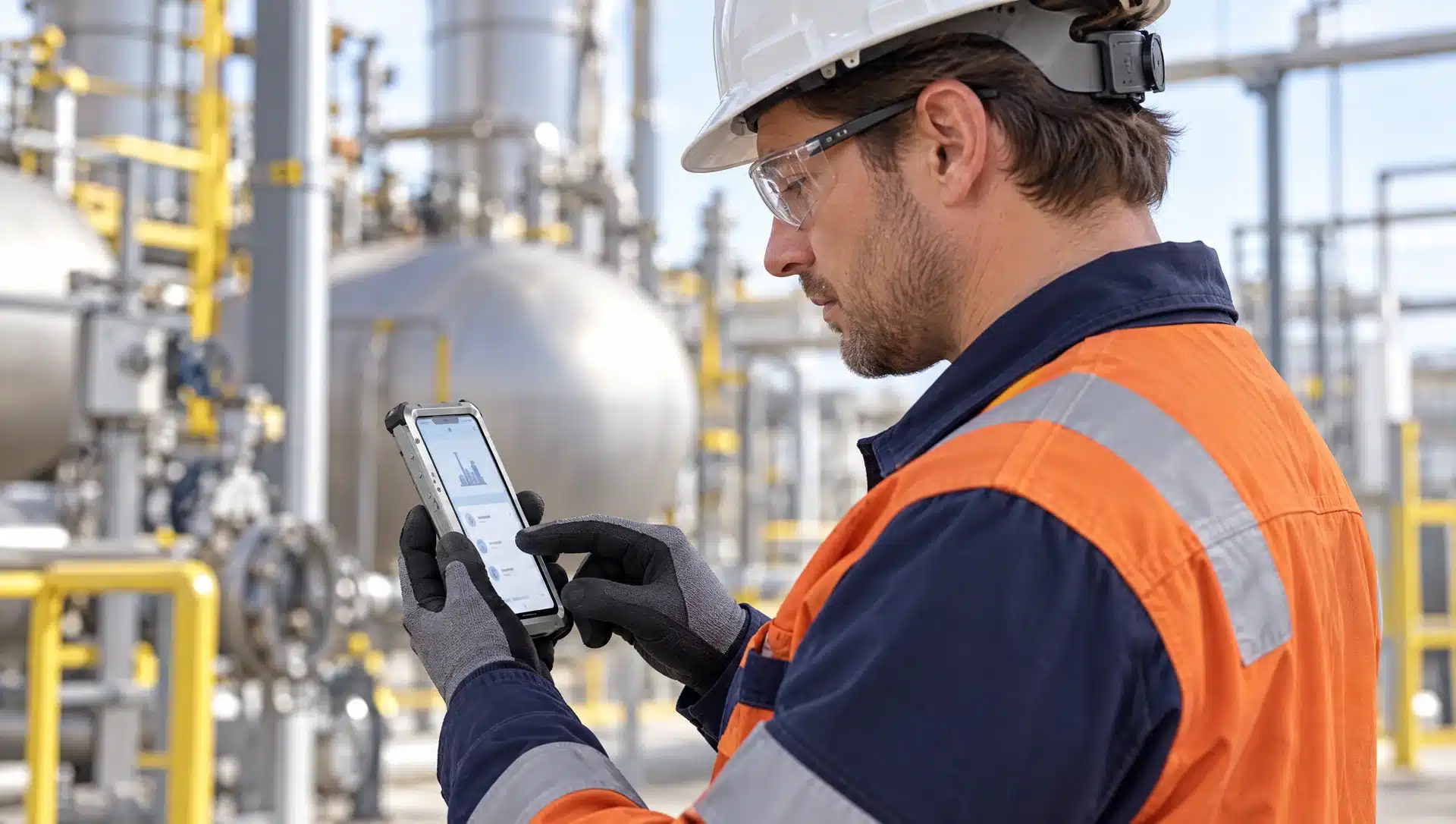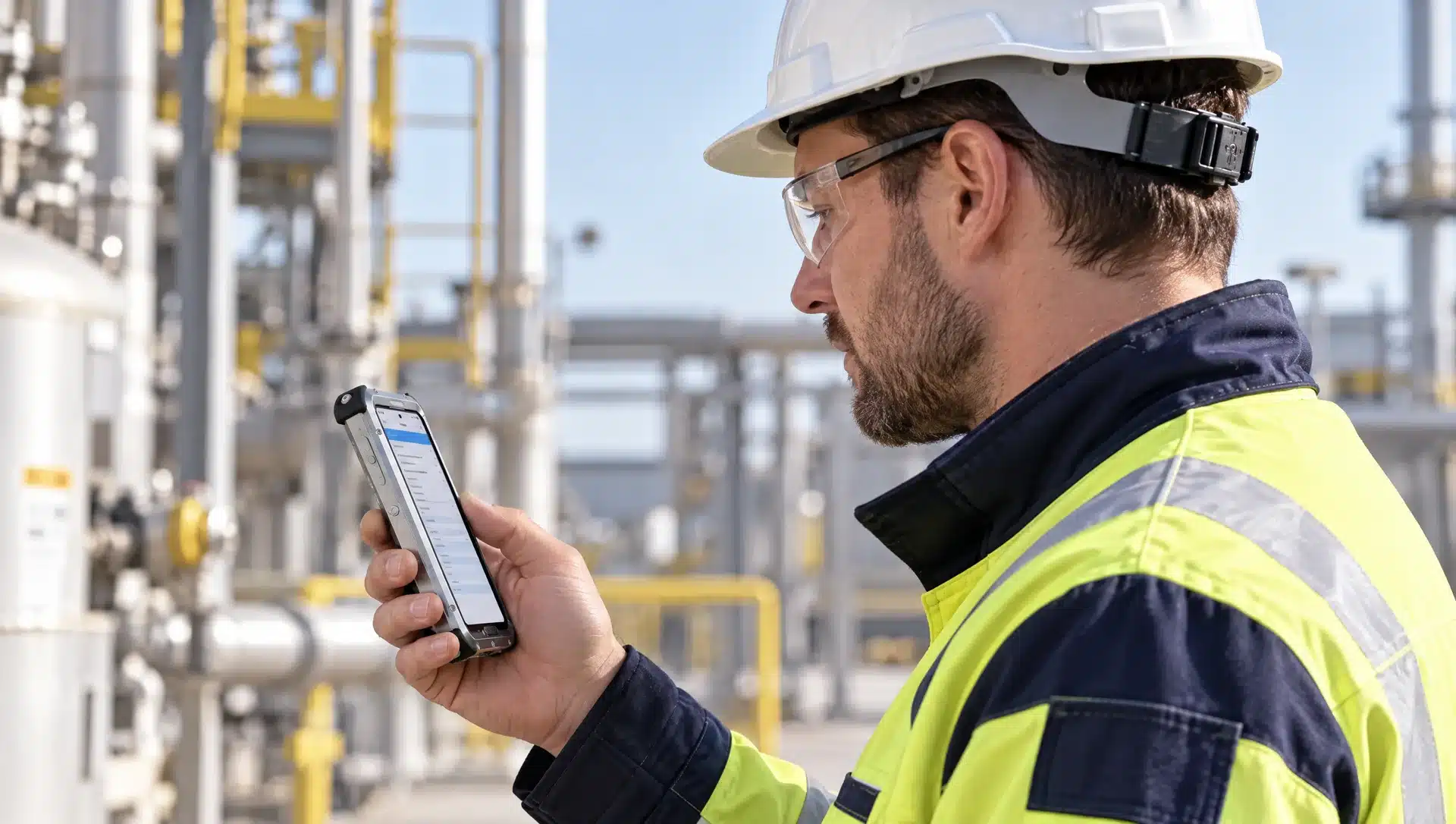


The expectations for industrial mobile technology have shifted dramatically. A few years ago, a certified device simply needed to make phone calls and survive a drop on a concrete deck. Today, that same device serves as a mission-critical edge computer. Field technicians rely on their handhelds to process localized artificial intelligence, map physical spaces in 3D, and stream augmented reality schematics in real-time.
For operations, IT, and safety managers, procuring the right hardware for hazardous areas is a delicate balancing act. You must maintain absolute adherence to explosion protection laws without crippling your workforce with outdated, sluggish technology.
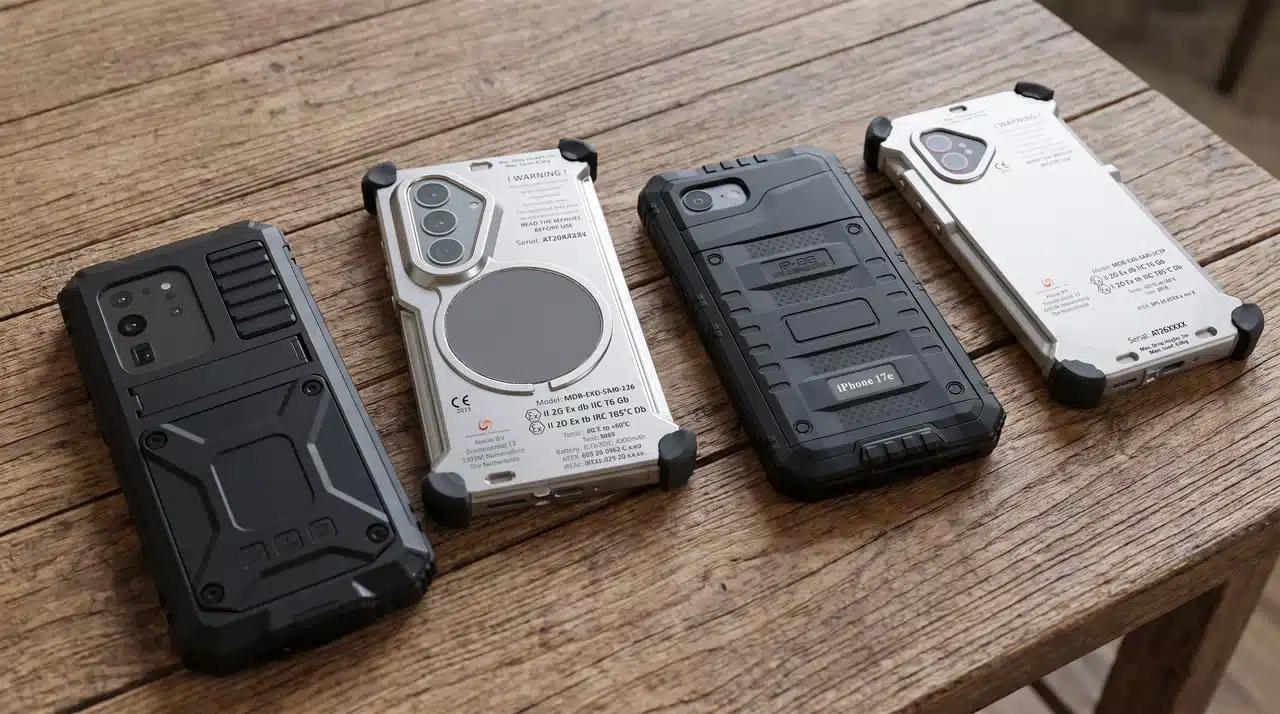
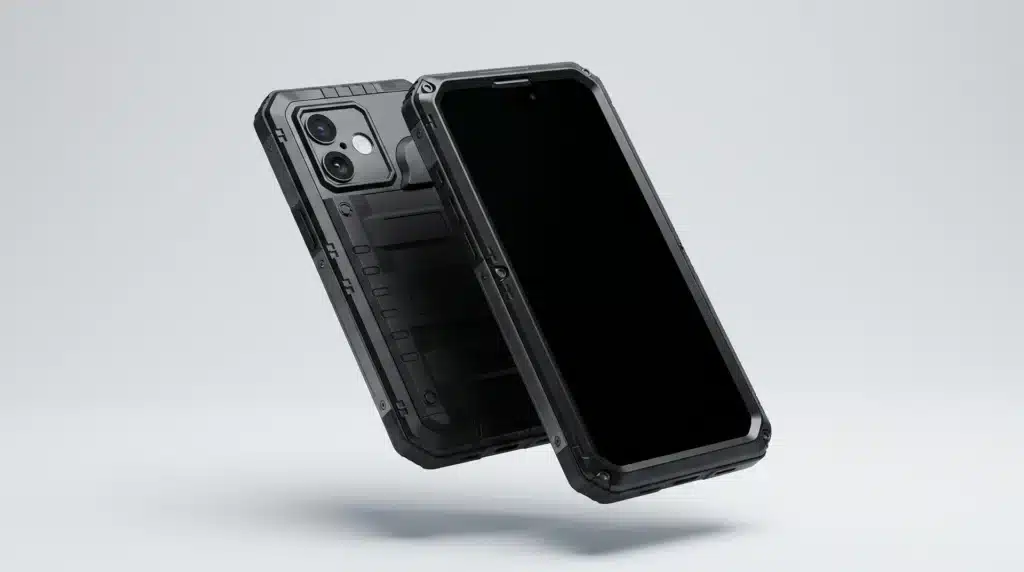
At Atexxo Manufacturing, we believe you shouldn’t have to choose between compliance and performance. By engineering certified explosion-proof enclosures for the world’s most advanced smartphones, we provide a modern alternative to legacy industrial handsets. If you are upgrading your mobile fleet this year, here are the essential factors that should drive your procurement strategy.
Establishing your compliance baseline
Before deploying a single device, procurement teams must ensure the hardware aligns flawlessly with the site’s chemical and environmental realities. The landscape of industrial energy is changing, and your safety certifications must keep pace.
- Standardizing on Zone 1: While many facilities have a mix of Zone 1 and Zone 2 areas, standardizing your mobile fleet on Zone 1 (and Zone 21 for dust) is the smartest operational move. It allows your workforce to move freely across the entire plant without worrying about crossing an invisible safety boundary.
- The hydrogen factor and gas group IIC: With the rapid global expansion of the hydrogen economy, exposure to highly volatile gases is becoming more common. Devices rated for gas group IIC are engineered for the most easily ignitable atmospheres (like hydrogen and acetylene). Because IIC ratings are fully backward-compatible with lower hazard groups (IIA and IIB), standardizing on IIC provides universal fleet protection.
- Thermal limits: Processing heavy enterprise applications generates heat. Ensure your devices carry a T4 temperature class, meaning their external surface will never exceed 135°C, keeping them safely below the ignition point of most industrial vapors.
Demanding uncompromising hardware performance
Legacy “intrinsically safe” handsets achieve their safety ratings by severely restricting internal battery power and processing capability. As a result, they are often years behind consumer technology. In 2026, those compromises are no longer acceptable.
When evaluating new devices, your field teams require specific, high-end capabilities to execute modern digital workflows:
- Next-generation optics and spatial mapping: Basic, low-resolution cameras are useless for remote expert diagnostics. Technicians need 48-megapixel sensors with optical image stabilization to document micro-fractures, and integrated LiDAR scanners to instantly capture 3D meshes of plant infrastructure.
- Edge AI readiness: Modern industrial workflows rely on processing data locally. Having a dedicated neural processing unit (NPU) and substantial RAM (8GB or more) allows workers to run offline computer vision models and AI procedures even in deep subterranean vaults where 5G and Wi-Fi cannot penetrate.
- Sunlight readability: Technicians cannot afford to squint at washed-out screens while referencing complex schematics. Devices must feature ultra-bright, glare-resistant displays.
Tackling thermal management and field ergonomics
Industrial hardware must be tough, but if it is awkward to operate, it introduces entirely new safety risks to the field.
A major challenge with modern, high-performance processors is heat dissipation. Standard heavy-duty cases can trap internal heat, causing the device to throttle performance and drain the battery. Atexxo addresses this by engineering passive thermal heat-sinks into our explosion-proof enclosures, drawing heat away from the core to ensure continuous performance under the sun.
Furthermore, procurement teams must look closely at ingress protection. While maximum waterproofing (IP68) sounds ideal, overly aggressive seals can severely muffle microphone audio and trap heat. A balanced IP65 to IP68 rating, combined with tactile physical buttons that can be operated through thick protective gloves, creates the ideal ergonomic tool.
The true financial impact of IT ecosystems
When evaluating new mobile hardware, the initial purchase price is only a fraction of the total cost. The hidden financial drain usually stems from fragmented IT management.
Dedicated industrial devices often run on clunky, proprietary versions of Android. These niche systems create security silos, suffer from massive delays in software patches, and typically reach their end-of-life within two to three years.
By utilizing Atexxo enclosures to protect flagship Apple devices, enterprises tap directly into the iOS ecosystem. This provides native, zero-touch integration with corporate mobile device management (MDM) platforms like Jamf or Microsoft Intune. More importantly, Apple supports its hardware with direct security updates for six to eight years. This drastically extends the lifecycle of your capital investment and completely eliminates the steep training curves associated with unfamiliar industrial interfaces.
Frequently asked questions
Why should we convert consumer phones instead of buying dedicated industrial handsets?
Legacy industrial smartphones are often built with outdated processors, inferior cameras, and sluggish software to meet energy limitations. By placing a premium device—like the iPhone 17 Pro Max—inside an Atexxo explosion-proof enclosure, you retain modern processing speeds, LiDAR capabilities, and long-term enterprise software support, all while remaining fully ATEX and IECEx compliant.
Why is gas group IIC compliance becoming so important?
Gas group IIC is the strictest rating for gas hazards, required for extremely volatile substances like hydrogen. As the energy sector evolves toward hydrogen and complex biofuels, standardizing on IIC equipment ensures your fleet is prepared for the most sensitive environments while remaining perfectly safe for standard petrochemical areas.
Can these devices run artificial intelligence without an internet connection?
Yes, provided you choose the right hardware. By utilizing flagship smartphones equipped with advanced neural engines and high RAM, field workers can run localized, on-device AI models. This allows them to process visual inspections and query safety procedures instantly, even in the most remote areas of a facility where network coverage is zero.