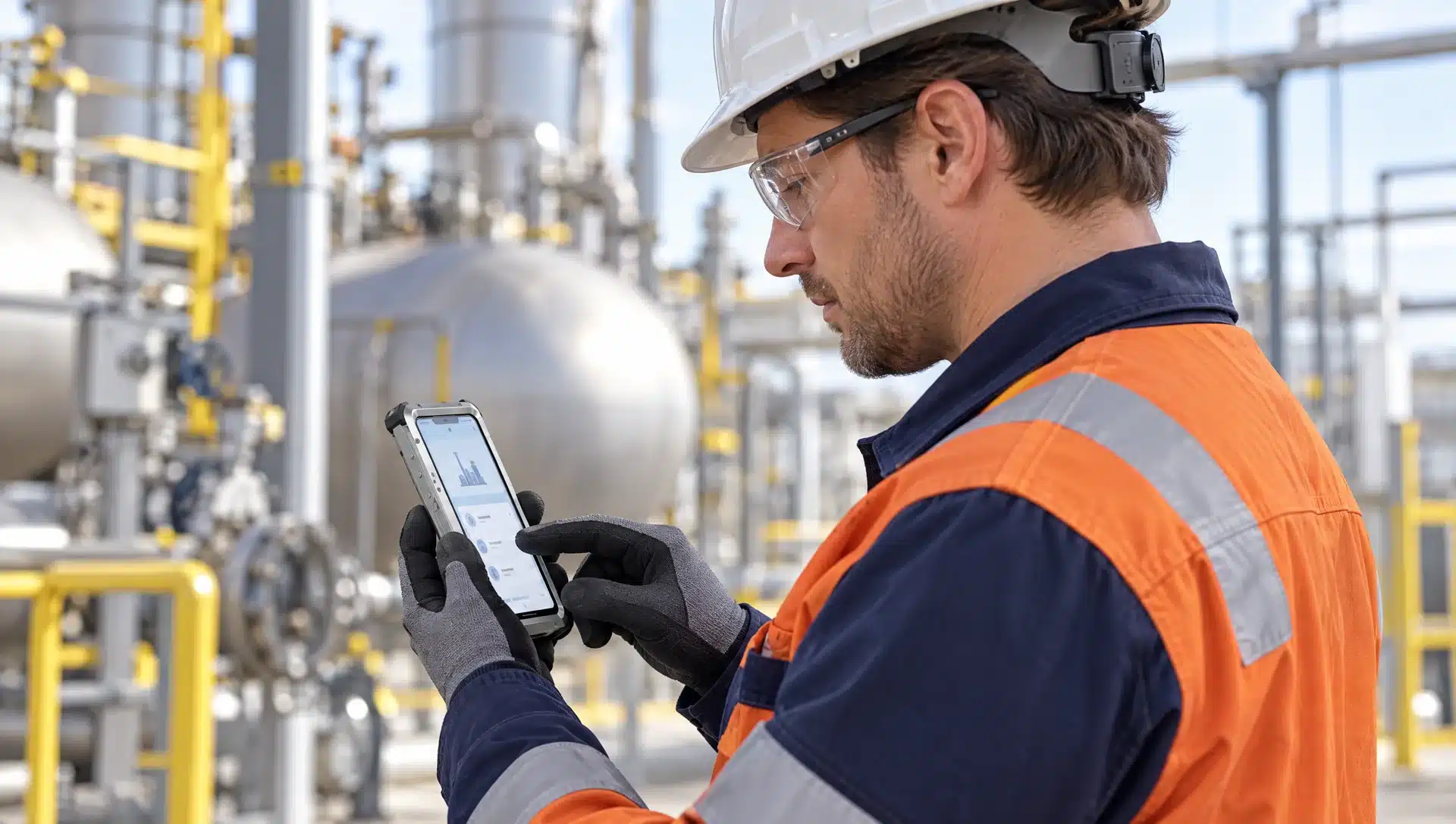


Documenting industrial assets in volatile environments requires a careful balance between strict regulatory compliance and high-end optical performance. Choosing the wrong imaging equipment can lead to blurry compliance reports, delayed maintenance, or expensive cameras simply gathering dust because they are too cumbersome for daily use.
As experts in ATEX and IECEx equipment, Atexxo Manufacturing understands that navigating vendor specifications can be confusing. To ensure your facility invests in hardware that actually enhances field operations, here are the core functional categories you need to evaluate.
Optical performance: looking beyond the megapixel myth
Brochures often boast about high megapixel counts, but in the dim, confined spaces of an industrial plant, the physical size of the image sensor is far more critical. A larger sensor absorbs more light, preventing the aggressive digital noise reduction that often smears the visual difference between minor discoloration and severe structural corrosion.
When evaluating a device’s optics, prioritize these features:
- large image sensors and wide apertures (e.g., f/1.8) to capture crucial details in dark, shadow-heavy environments.
- true optical magnification (at least 2x to 3x) to safely document overhead piping without the blur associated with digital zooming.
- optical image stabilization (OIS) to guarantee smooth 4k video recording, even when technicians are operating the device with heavy protective gloves.
- phase-detection autofocus for instant clarity on close-up macro shots, such as valve nameplates and weld seams.
Field usability and modern workflows
The most capable camera in the world is useless if a technician leaves it in the locker room. Historically, industrial cameras were bulky, shared pool devices. Today, usability and portability are paramount.
Look for a solution that offers:
- a pocketable form factor that encourages personnel to keep the device on them throughout their entire shift.
- seamless wireless connectivity (Wi-Fi and cellular) for instantly uploading metadata-rich, standard jpeg files directly to your maintenance software.
Strict compliance for explosive atmospheres
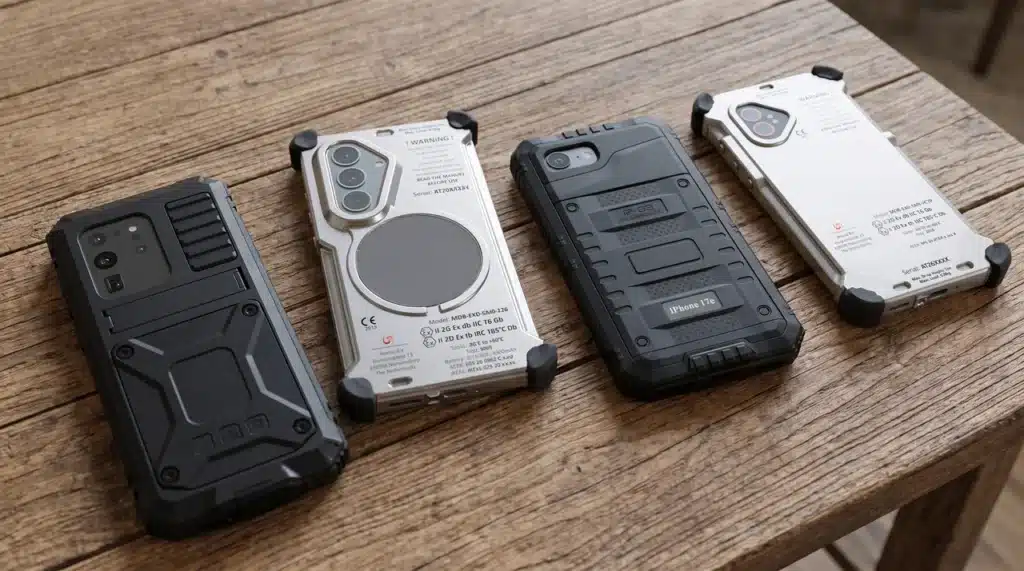
Optical excellence means nothing if the device cannot legally enter your operating environment. It is crucial to match the camera’s certification strictly to your facility’s hazard levels. A device rated only for Zone 2 cannot be used in a Zone 1 area. Furthermore, ensure the gas group ratings align with your specific chemical risks—hardware certified for propane (group IIA) is not automatically safe for hydrogen (group IIC).
Why converted smart devices represent the future
Standard industrial cameras often lag years behind consumer technology. This is why the industry is rapidly shifting toward converted smart devices. By engineering explosion-proof enclosures for premium devices like the latest Apple iPhones, Atexxo Manufacturing delivers state-of-the-art computational photography, familiar user interfaces, and flawless enterprise integration, all while maintaining absolute safety compliance in volatile zones.
What specific environmental challenges or lighting conditions do your field inspectors struggle with the most during routine documentation?