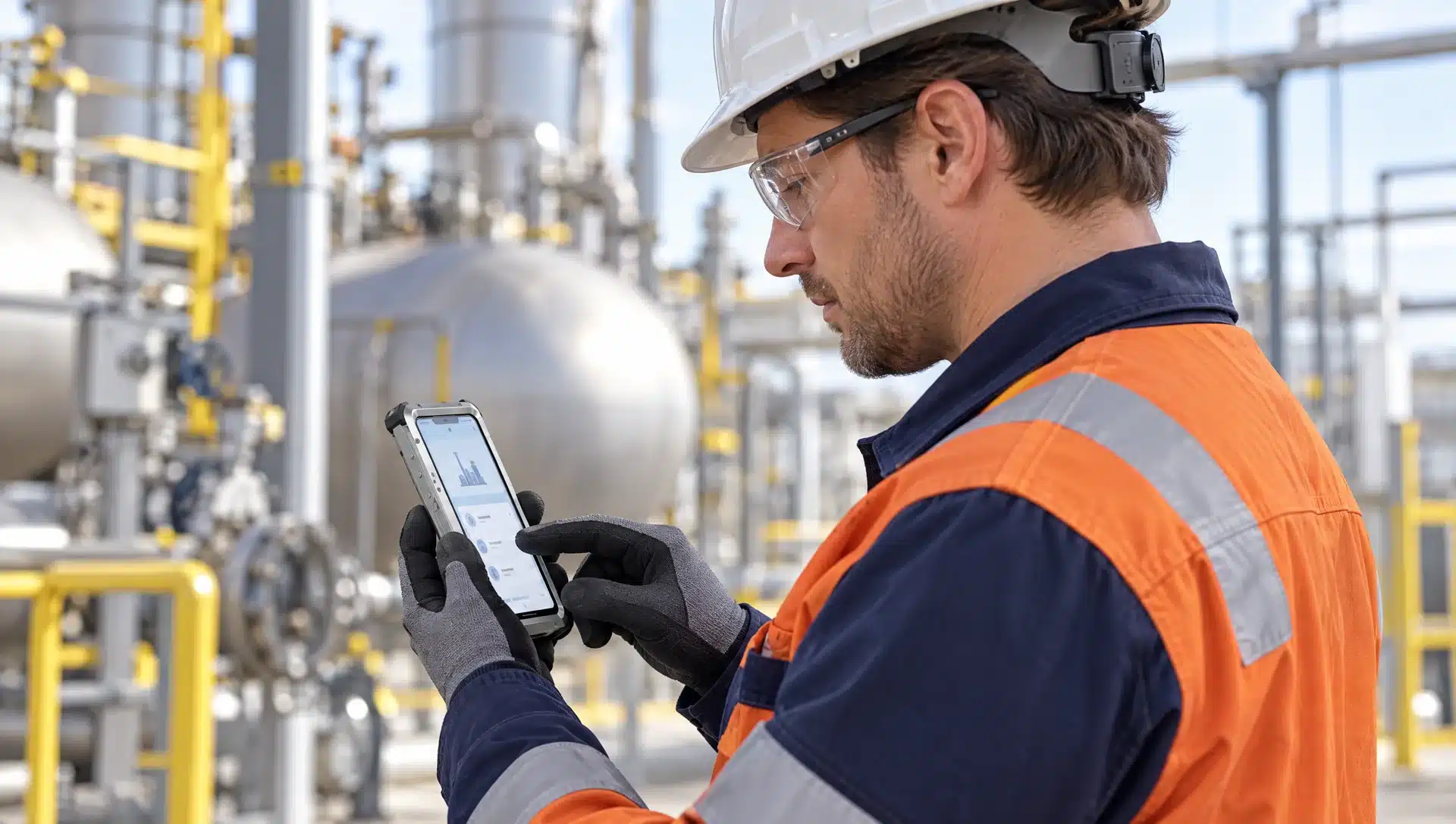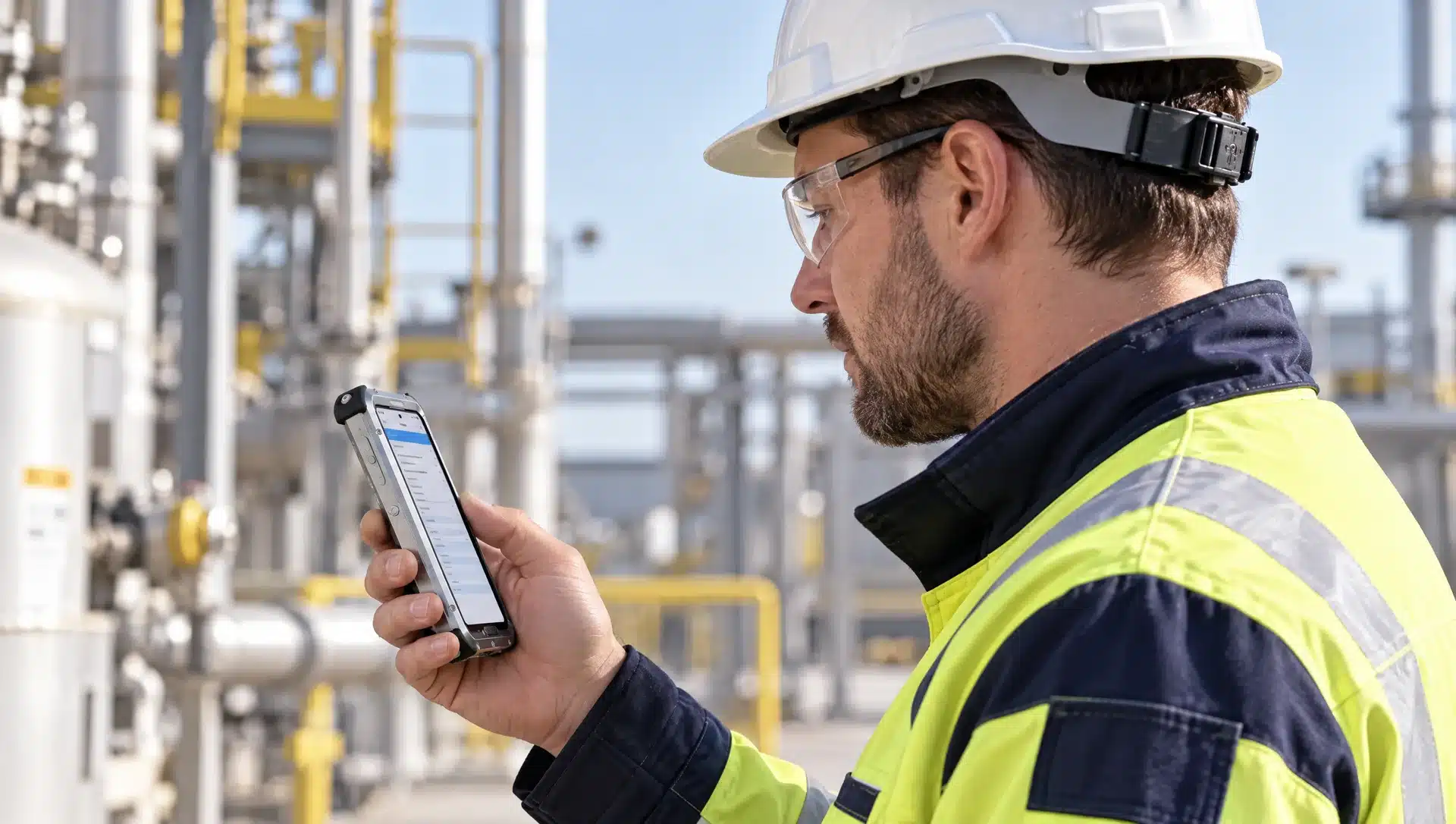


If you manage operations at a chemical processing plant, offshore oil rig, or industrial refinery, you have inevitably faced this dilemma: field technicians want to use the technology they are most comfortable with. Because iOS devices are fast, intuitive, and seamlessly run top-tier enterprise software, workers naturally want to bring their iPhones onto the plant floor.
However, in environments where a single rogue spark can ignite flammable vapors or combustible dusts, a handheld mobile device is no longer just a communication tool—it is a catastrophic ignition vector.
So, can you legally and safely bring an iPhone into a classified hazardous area?
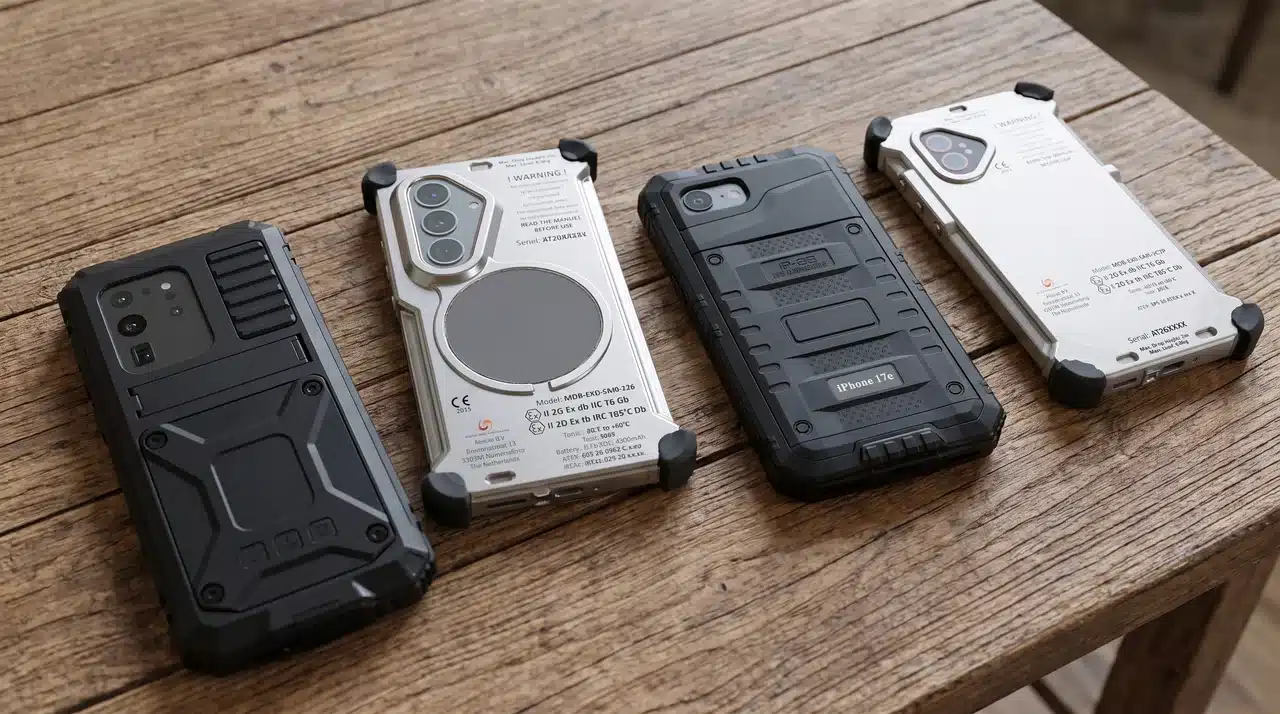
The short answer is: absolutely not in its standard consumer form. A bare iPhone is neither intrinsically safe nor explosion-proof. However, there is a certified, proven solution to this problem. By utilizing precision-engineered explosion-proof enclosures from Atexxo Manufacturing, enterprise teams can transform standard Apple hardware into fully compliant, Zone-certified industrial powerhouses.
Why a standard iPhone is a serious ignition risk
To understand why bringing a commercial smartphone into a classified zone is a severe violation of EHS protocols, we need to look at what is happening inside the device. Apple builds incredible consumer electronics, but they are not engineered to operate safely surrounded by volatile industrial gases.
- The lithium-ion battery threat: Modern smartphones rely on highly energy-dense batteries. While safe in an office, an accidental drop or thermal stress in the field can cause these cells to swell, vent flammable gases, or go into thermal runaway. In an ATEX Zone 1 atmosphere containing ethylene or hydrogen, a battery failure is a massive ignition source.
- High-frequency electrical arcing: iPhones are packed with dense micro-circuitry, display backlight drivers, and high-frequency transponders (like 5G and Wi-Fi 6E). Under normal operations—and especially if a component fails—these circuits can generate microscopic electrical arcs. Without a physical barrier, these micro-sparks easily exceed the minimum ignition energy (MIE) required to ignite process vapors.
- Lack of legal certification: Apple does not submit its standard devices to independent notified bodies (like UL or SGS) for ATEX or IECEx safety audits. Therefore, an unshielded consumer iPhone holds absolutely zero legal standing for deployment in hazardous areas.
To visualize how different environmental factors increase the ignition risk of a standard device, try our interactive risk simulator:
The containment strategy: how Atexxo makes iPhones safe
Instead of completely gutting the iPhone’s performance to limit its internal electrical energy (a method known as intrinsic safety), Atexxo utilizes an explosion-proof containment strategy (Ex d). We eliminate the ignition vector at the physical boundary.
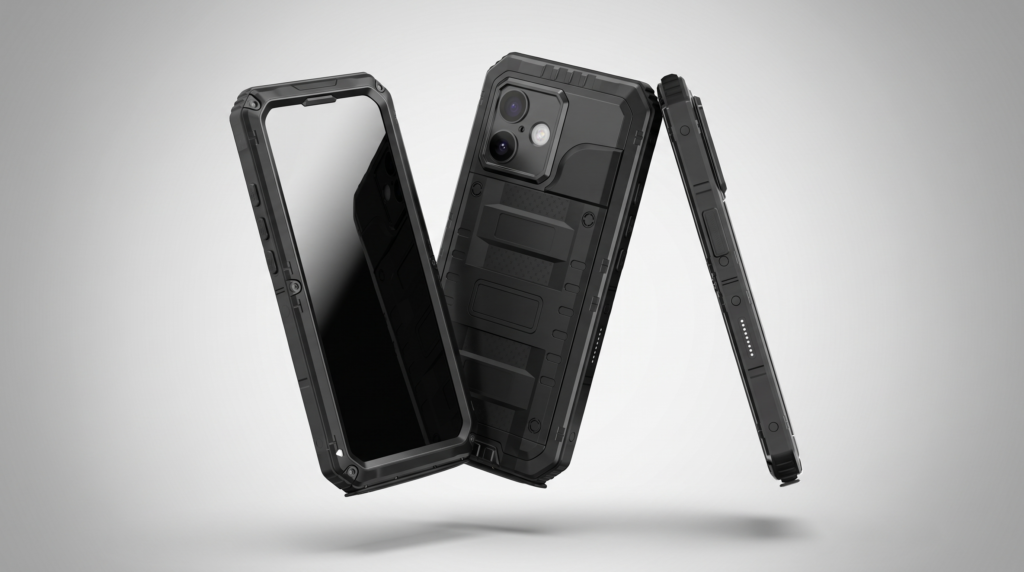
We surround the flagship iPhone with a precision-engineered enclosure that provides absolute physical energy containment.
Combustion requires three elements: fuel, oxygen, and an ignition source. Our certified enclosures break this reaction chain. If an internal component fault or micro-spark happens inside the case, the expanding hot gases are forced through precisely machined joints known as flame paths. As the gas travels through these tight channels, the thermal energy is rapidly absorbed and dissipated. By the time any gas exits the case, it has been cooled well below the auto-ignition temperature of the surrounding atmosphere.
Crucial note: A standard “rugged” drop-proof case protects the phone from the environment. An Atexxo ATEX-certified case protects the environment from the phone.
Why facilities are ditching legacy industrial handhelds
In the past, facilities had to rely on dedicated, purpose-built “intrinsically safe” handsets. Unfortunately, to meet strict energy limits, these devices suffered from incredibly slow processors, terrible cameras, and clunky, proprietary operating systems.
By standardizing on Atexxo’s iPhone enclosures, industrial organizations get the best of both worlds: uncompromised Zone 1 safety and flagship Apple performance.
- Pro-grade optics and LiDAR: Capturing clear inspection photos in dark pump houses or scanning 3D spatial models requires high-resolution camera sensors and LiDAR hardware—features that legacy industrial handhelds simply do not possess.
- Zero learning curve: Field crews already know how to navigate iOS, eliminating frustrating training delays and ensuring high workforce adoption.
- Extended lifecycle ROI: Legacy industrial devices often require replacement every two years. Apple supports its flagship devices with software security updates for six to seven years, massively extending your fleet replacement cycles.
Global compliance: navigating ATEX and IECEx standards
When evaluating our certified mobile enclosures, you will encounter two primary safety frameworks. ATEX is mandatory across the European Union and the UK, while IECEx is a voluntary, harmonized standard recognized globally (including Australia, the Middle East, and Asia).
For multinational corporations, Atexxo provides enclosures that carry dual ATEX and IECEx certifications. This ensures that your entire global fleet satisfies safety compliance across all operating regions. Furthermore, our enclosures are certified for Zone 1 (gas) and Zone 21 (dust), meaning they are automatically approved for use in lower-risk Zone 2 and Zone 22 areas.
Your procurement checklist for explosion-proof enclosures
Before you purchase any protective enclosures for your mobile workforce, ensure you verify these essential technical requirements:
- Independent certificate verification: Ensure the vendor supplies a valid ATEX/IECEx certificate number issued by a recognized notified body. Phrases like “designed to ATEX standards” mean the product is uncertified and illegal for hazardous use.
- Exact model matching: Certification is tied directly to the exact device and case combination. A case certified for an iPhone 14 Pro Max cannot legally house an iPhone 16 Pro Max.
- Temperature class compatibility: Verify that the enclosure’s surface temperature rating (typically T4 / 135°C) sits safely below the lowest auto-ignition temperature of the chemicals on your site.
- Sealed charging capability: Look for enclosures that support sealed MagSafe wireless charging, allowing workers to recharge without exposing internal contacts to corrosive chemical mists or salt spray.
Frequently asked questions
Can I legally use my personal iPhone in a Zone 1 area?
No. A standard consumer iPhone carries no ATEX, IECEx, or NEC certification and is strictly prohibited in classified hazardous areas. It can only enter these zones when permanently sealed inside an independently certified explosion-proof housing.
What is the difference between an intrinsically safe phone and an explosion-proof iPhone case?
An intrinsically safe phone uses heavily restricted internal circuitry to limit electrical energy so sparks physically cannot form. An explosion-proof iPhone case is a mechanical enclosure that houses a high-performance consumer smartphone; it contains any internal electrical fault or heat burst inside the shell, cooling it so it cannot ignite the surrounding atmosphere.
Do explosion-proof iPhone cases obstruct the camera or LiDAR scanner?
No. High-end Atexxo enclosures incorporate precision-engineered optical glass windows designed specifically for Apple’s Pro camera arrays and LiDAR sensors. This preserves full camera clarity, optical zoom, and 3D mesh scanning capabilities while maintaining complete safety compliance.