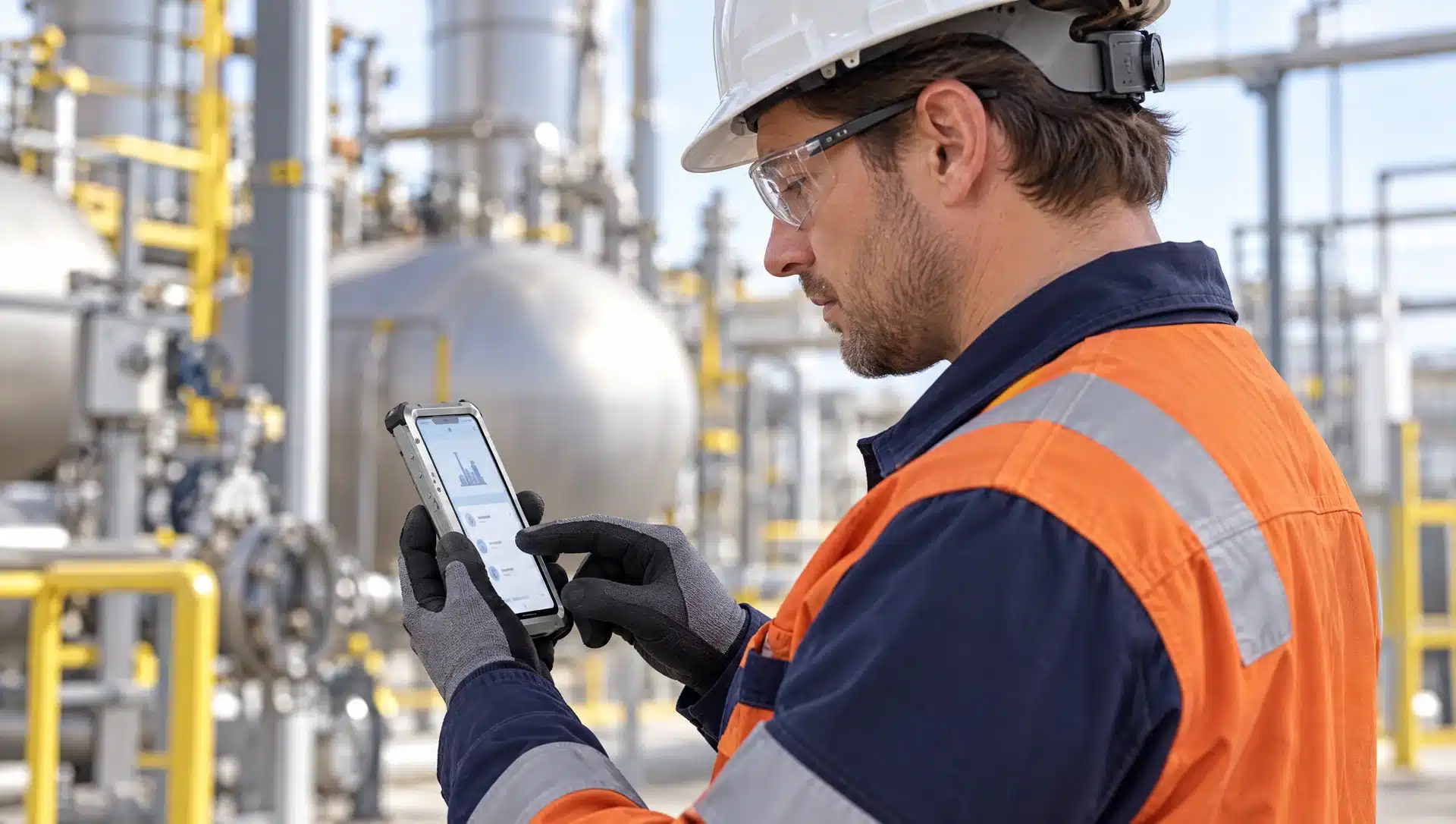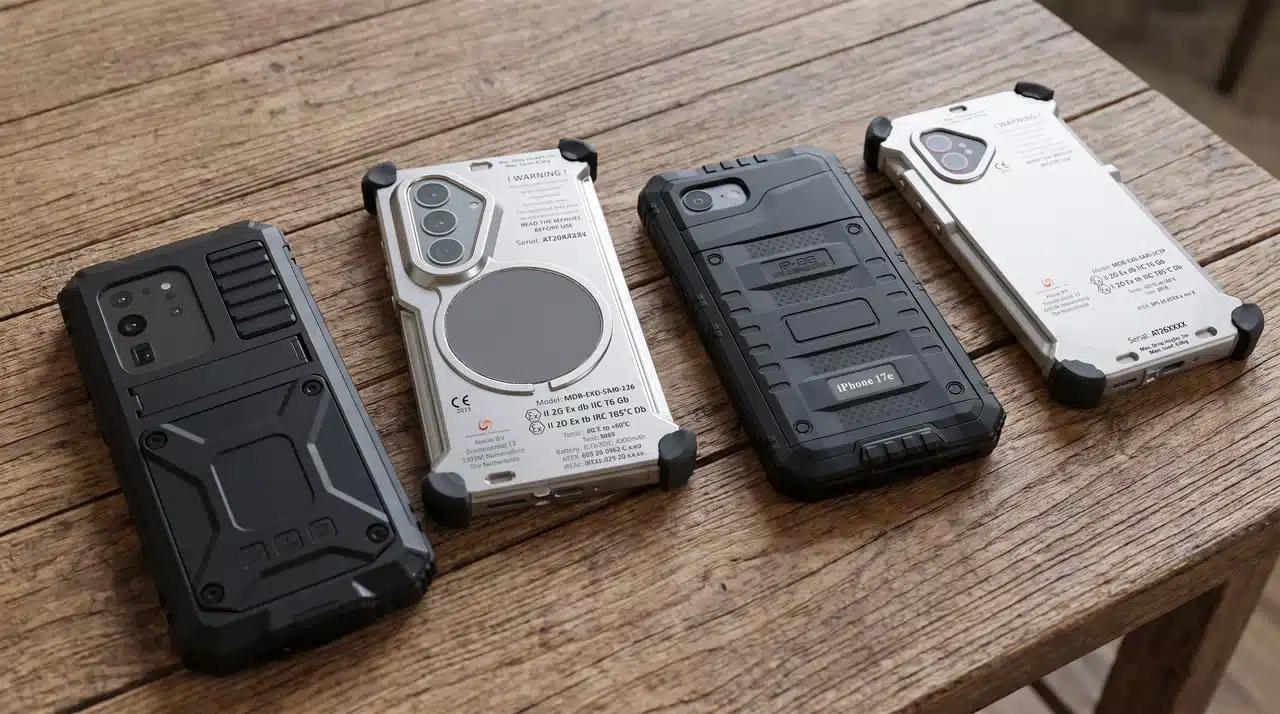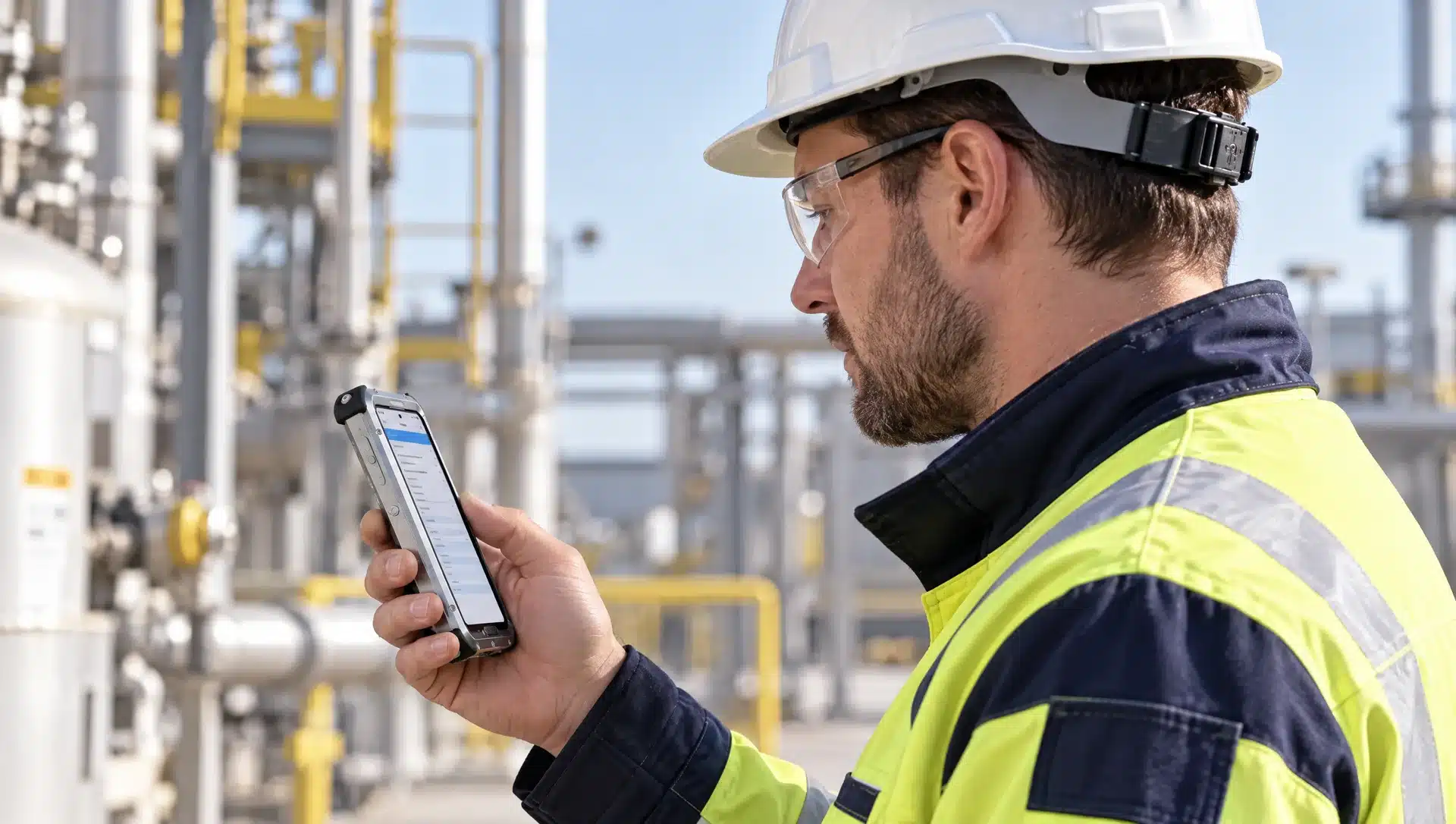


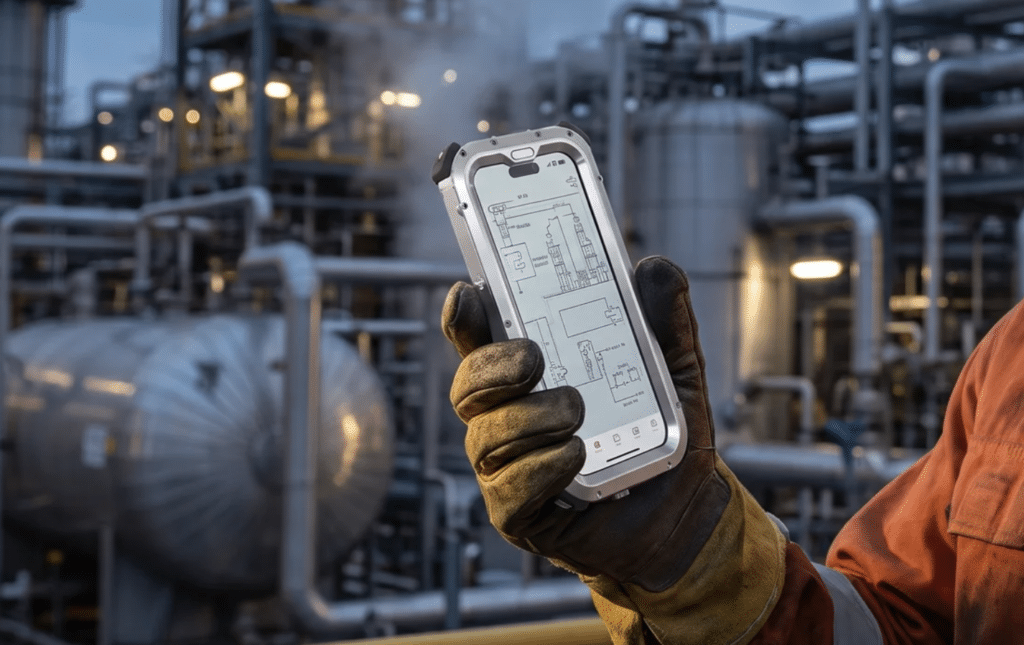
Deploying enterprise mobile hardware like the Apple iPhone into classified hazardous areas requires absolute alignment with regional and international explosion protection standards. Because consumer smartphones contain energy-dense lithium-ion batteries and high-frequency transponders, bringing an unshielded device into a volatile atmosphere introduces severe ignition risks.
At Atexxo Manufacturing, we convert standard flagship iPhones into independently certified explosion-proof terminals, allowing field technicians to operate modern iOS devices safely across global industrial sites. Understanding how ATEX, IECEx, and North American UL standards interact is essential for specifying compliant hardware for your fleet.
The core explosion protection frameworks
| Certification scheme | Primary jurisdiction | Regulatory model | Key engineering focus |
| ATEX Directive 2014/34/EU | European Union & UK | Mandatory legal directive | Flameproof containment (Ex d/db), thermal surface capping (T4) |
| IECEx Scheme | International (30+ member nations) | Voluntary harmonized scheme | Mandatory third-party laboratory testing (ExTR) and facility audits (QAR) |
| UL 913 Standard | United States & Canada | Mandatory via local law & AHJ | Intrinsic safety energy limitation for Class I, II, III, Division 1 |
ATEX Directive 2014/34/EU: European mandatory compliance
ATEX regulates equipment intended for explosive gas (Zone 1) and dust (Zone 21) environments across the European Economic Area. To achieve ATEX Category 2G (Zone 1) compliance, Atexxo Manufacturing houses the iPhone inside a precision-engineered flameproof (Ex d / Ex db) enclosure. This physical structure contains any internal battery fault or electrical spark, while passive heat-sinking ensures the external surface temperature never exceeds the T4 thermal cap of 135°C.
IECEx scheme: the international harmonized passport
The IECEx system provides a single, globally recognized Certificate of Conformity (CoC) based on the IEC 60079 family of standards. Unlike self-attested regulatory schemes, IECEx requires third-party testing reports (ExTR) from accredited laboratories—including 28-day thermal aging and electrostatic dissipation tests—alongside annual Quality Assessment Report (QAR) factory audits. Atexxo-converted iPhones carrying dual ATEX and IECEx certification allow multinational operators to standardize on a single hardware SKU across European, Middle Eastern, and Asian facilities.
UL 913: North American intrinsic safety standards
North American hazardous facilities traditionally follow the National Electrical Code (NEC) Class and Division system. Standard UL 913 governs intrinsically safe apparatus for Class I, Division 1 locations by evaluating energy limitation under normal and fault conditions. For facilities operating under NEC Articles 505 and 506 (the North American Zone system), Atexxo’s Zone 1/21 explosion-proof enclosures provide compliant physical protection validated for site-specific approvals.
Environmental sealing and mechanical durability: IP68 and MIL-STD-810H
Explosion protection must be backed by heavy-duty environmental sealing. Fine conductive dusts or high-pressure water jets can degrade internal components and create electrical short-circuits.
- IP65 vs. IP68 ingress protection: Standard IP65 certifies protection against dust and low-pressure water jets. For industrial plant environments, Atexxo enclosures achieve an IP68 rating, guaranteeing 100% dust-tight sealing (IP6X) and resistance to continuous water submersion under pressure (IPX8).
- MIL-STD-810H physical stress testing: Military-standard testing evaluates hardware resilience against drop shock, mechanical vibration from heavy machinery, thermal shock, and salt fog corrosion. Validating explosion-proof iPhone enclosures against MIL-STD-810H benchmarks reduces field hardware failure rates by up to 35% and extends capital equipment lifecycles.
By combining ATEX and IECEx Zone 1/21 dual certification with IP68 ingress sealing and MIL-STD-810H ruggedization, Atexxo Manufacturing delivers a multi-layered hardware platform. Enterprise operators gain a fully compliant, high-performance terminal that brings cinema-grade 4K video, LiDAR spatial scanning, and direct zero-touch MDM provisioning safely into classified process units worldwide.
Frequently asked questions
What is the main difference between ATEX, IECEx, and UL 913 certifications?
ATEX is a mandatory European Union directive required by law for European facilities. IECEx is an international harmonized scheme accepted across more than 30 member nations to facilitate global trade. UL 913 is the primary North American standard governing intrinsic safety compliance under NEC Class and Division rules.
Does an IP68 or MIL-STD-810H rating make a consumer iPhone safe for ATEX Zone 1?
No. An IP68 rating measures dust and water ingress, while MIL-STD-810H verifies physical shock resistance. Neither rating evaluates thermal ignition limits, internal arcing, or lithium battery explosion containment. Bringing an unshielded consumer iPhone into a Zone 1 area introduces severe ignition risks, regardless of its IP rating.
Can an Atexxo explosion-proof iPhone carry dual ATEX and IECEx certification?
Yes. Precision-engineered enclosures from Atexxo Manufacturing undergo testing at accredited international laboratories to achieve dual ATEX and IECEx Zone 1/21 certification. This dual rating allows global energy and chemical companies to deploy a standardized mobile device fleet across international facilities.