

Treating hazardous area mobile hardware as a complete capital loss at the end of its operational life is an outdated financial assumption. While traditional intrinsically safe handhelds are written off to zero, deploying flagship consumer smartphones inside certified non-destructive enclosures allows enterprises to recover substantial secondary market value at hardware refresh intervals.
The zero-residual-value trap of traditional Ex m encapsulation
For years, dedicated industrial smartphones achieved ATEX Zone 1 compliance by relying heavily on Encapsulation (Ex m). Under this engineering concept, internal circuit boards and battery cells are permanently injected with a dense, solid resin compound to eliminate internal air pockets and absorb thermal energy.
While Ex m achieves physical explosion safety, it creates a severe financial liability:
- Zero asset recovery: Once a resin-filled device reaches the end of its operational lifecycle or suffers an internal component failure, it cannot be serviced, upgraded, or resold. Its market value is €0.
- E-waste disposal costs: Because the battery is permanently fused inside solid resin, recycling is extremely difficult. Disposing of legacy Ex m hardware often incurs extra fees under strict hazardous electronic waste regulations.
- Rapid technological obsolescence: Purpose-built industrial Android devices rely on mid-tier hardware that loses software support and buyer demand rapidly after two to three years of field use.
Unlocking capital recovery with Atexxo Manufacturing enclosures
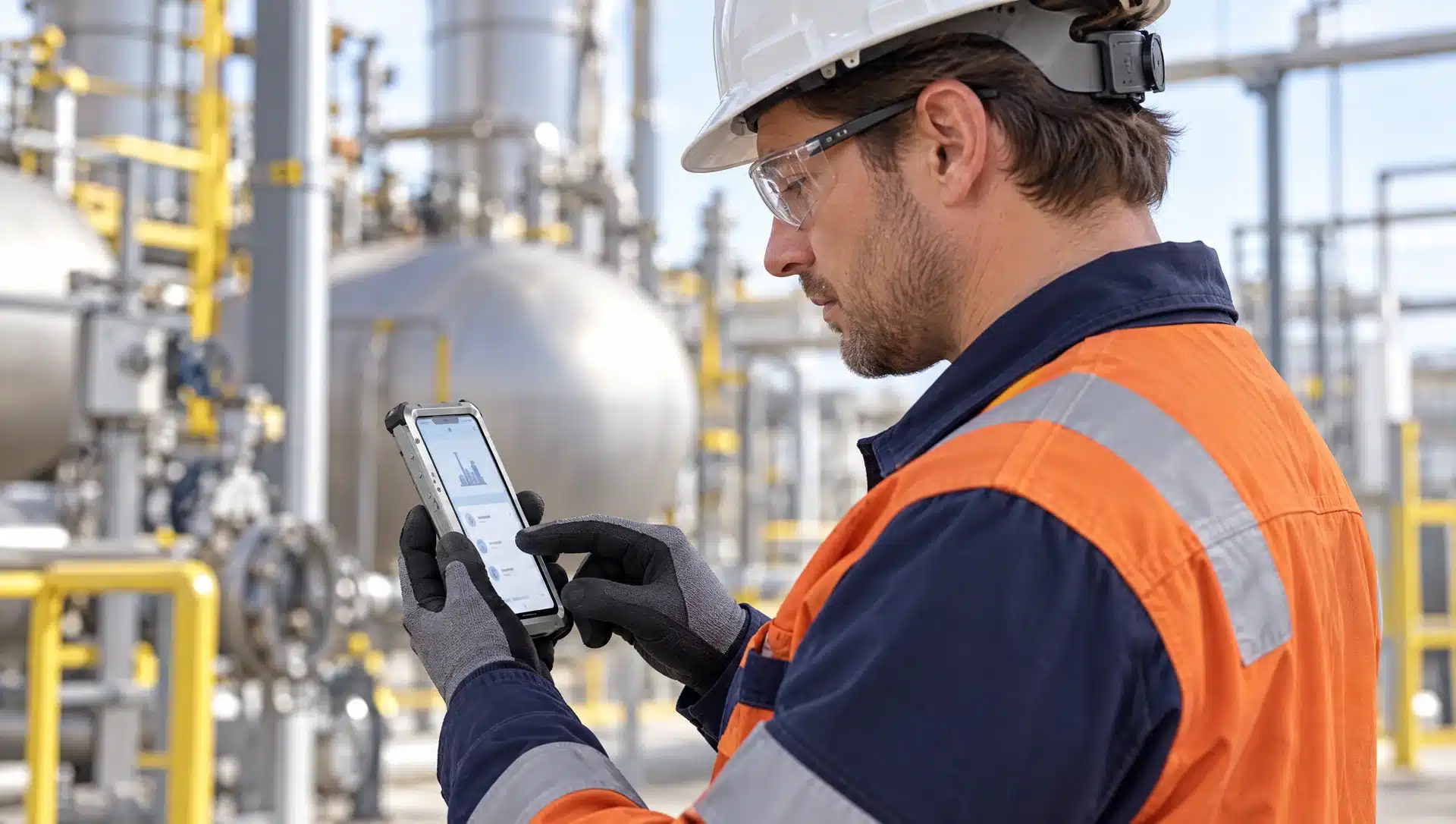
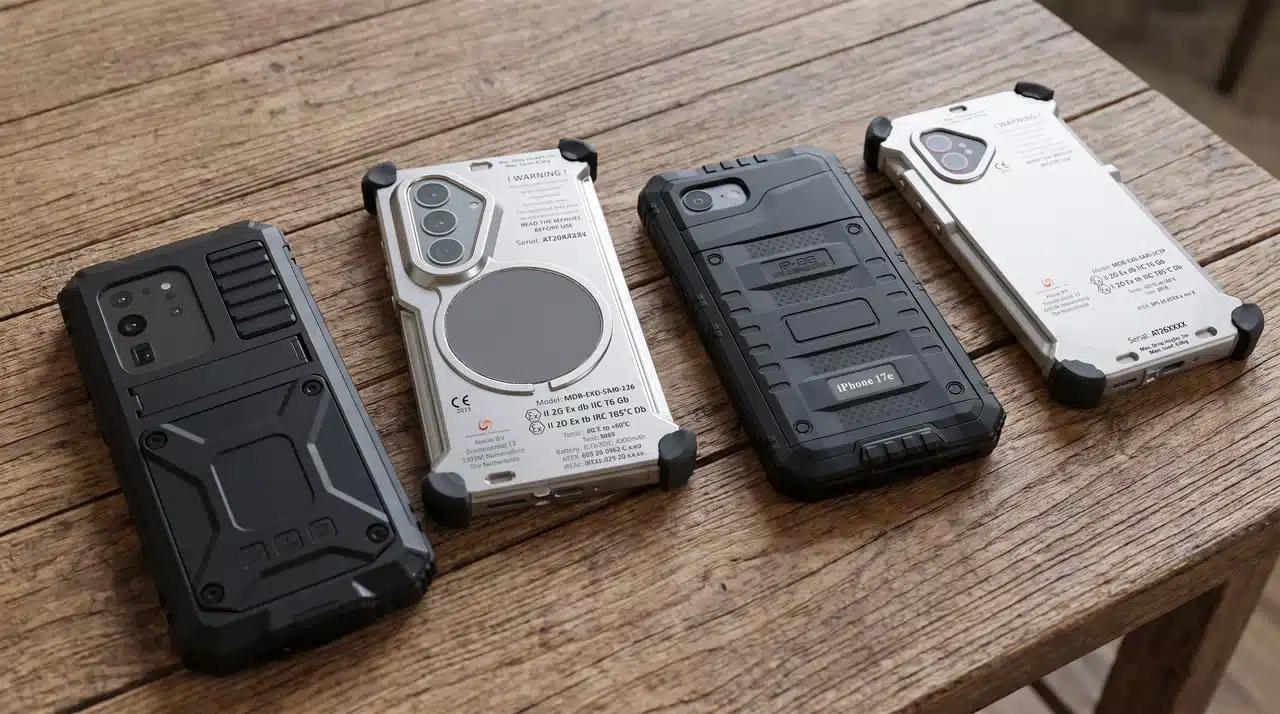
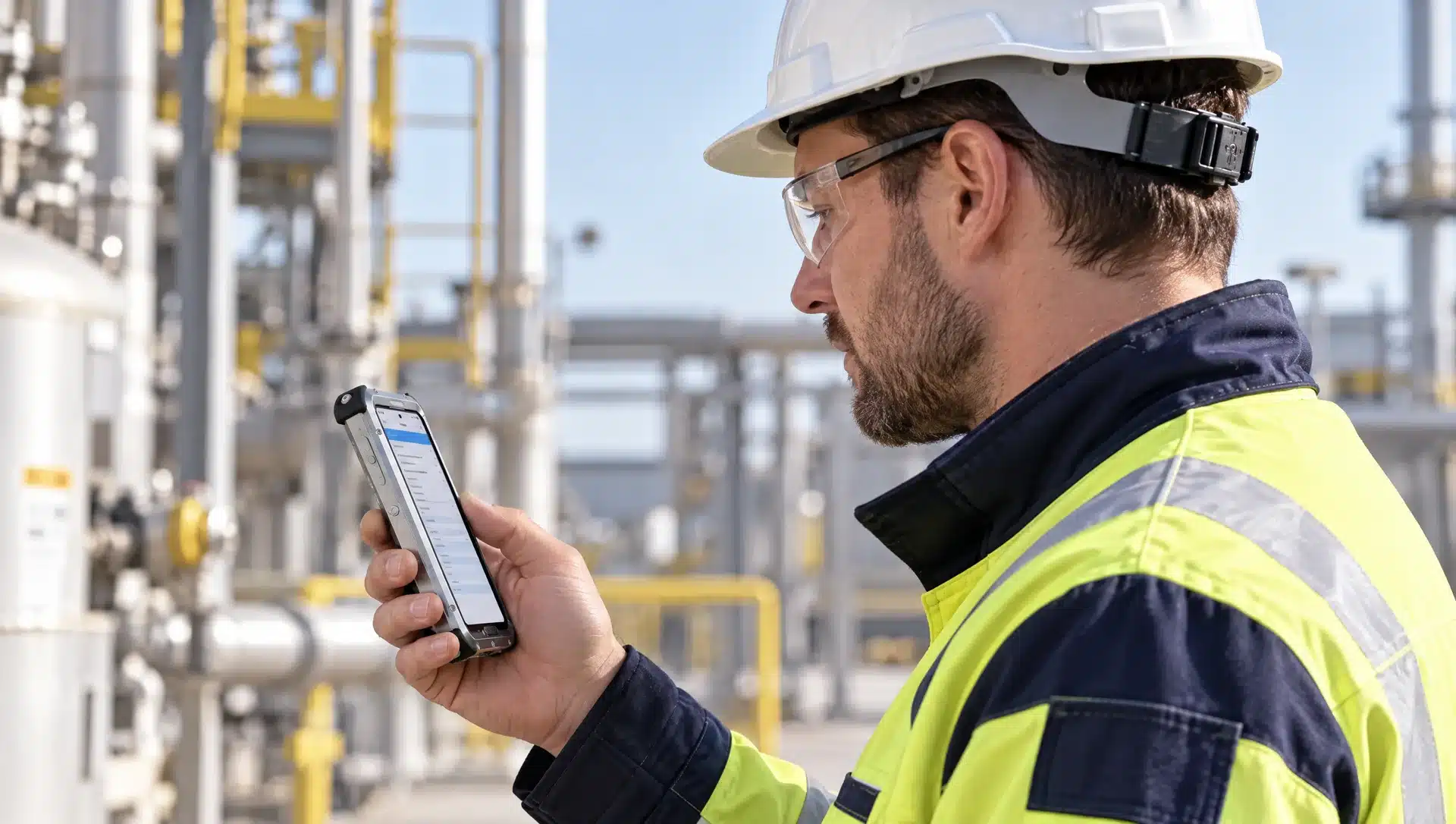
Atexxo Manufacturing takes a fundamentally different approach. Instead of filling the phone’s chassis with permanent resin, Atexxo engineers precision mechanical enclosures that house commercial flagship devices—like the latest Apple iPhones—without glues, chemical modifications, or physical damage.
The iPhone sits isolated inside an aircraft-grade aluminum and optical glass shell, protected against heavy shock, moisture, and corrosive chemical vapors. After completing a three-year operational tour in demanding Zone 1 environments, the phone is extracted in mint condition, cryptographically wiped by IT, and resold on the secondary smartphone market.
Why flagship iPhones maintain secondary market dominance
Secondary market trade-in data confirms that flagship Apple hardware retains residual value significantly better than enterprise Android platforms.
| Mobile fleet strategy | End-of-life physical condition | Resale market recovery | 3-Year net asset value |
| Legacy Ex m industrial device | Permanently sealed / Encased in resin | 0% (Scrap / Waste) | Full financial write-off (€0) |
| Atexxo converted iPhone system | Mint condition (IP68 housing isolation) | 30% to 50% of original phone cost | Recaptures €300–€700 per unit |
Several factors drive this residual value advantage:
- Extended iOS software support: Apple provides direct operating system and zero-day security updates for six to eight years, ensuring strong secondhand buyer demand for three-year-old devices.
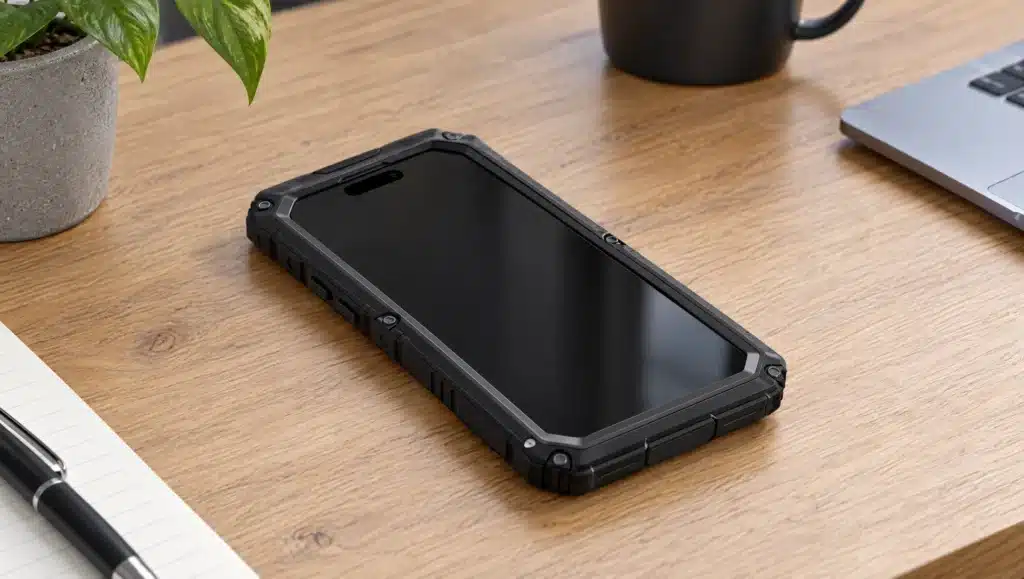
- Physical condition preservation: Sealed inside an Atexxo IP68 housing, the internal iPhone is protected from scratches, drops, and chemical vapor pitting. Upon extraction, the screen and chassis emerge in pristine condition.
- Cryptographic data sanitization: iOS uses hardware-level encryption key destruction during a factory reset. Combined with mobile device management (MDM) profile removal, previous corporate storage is rendered 100% unrecoverable, satisfying GDPR and ISO 27001 data compliance audits.
By factoring secondary market recovery into your procurement model, an Atexxo-converted iPhone fleet delivers uncompromised Zone 1 field performance at a fraction of the net lifecycle cost.
Frequently asked questions
Can you legally resell an iPhone that has been used in an ATEX Zone 1 area?
Yes. Because Atexxo Manufacturing utilizes a non-destructive enclosure system without glues or resin encapsulation, the iPhone can be extracted at hardware refresh intervals. Once sanitized by IT, the device is in mint physical condition and can be legally resold on the secondary market.
How much capital can a facility expect to recapture at end-of-life?
Enterprise buyback data shows that flagship Apple iPhones housed inside protective enclosures retain 30% to 50% of their baseline hardware value after three years of industrial deployment, significantly offsetting the cost of the next fleet upgrade.
Does extracting the iPhone damage its internal components or void data compliance?
No. The extraction process is entirely mechanical and non-destructive. For data security, iOS executes a hardware-level cryptographic erasure that permanently destroys encryption keys, ensuring corporate data cannot be recovered.