

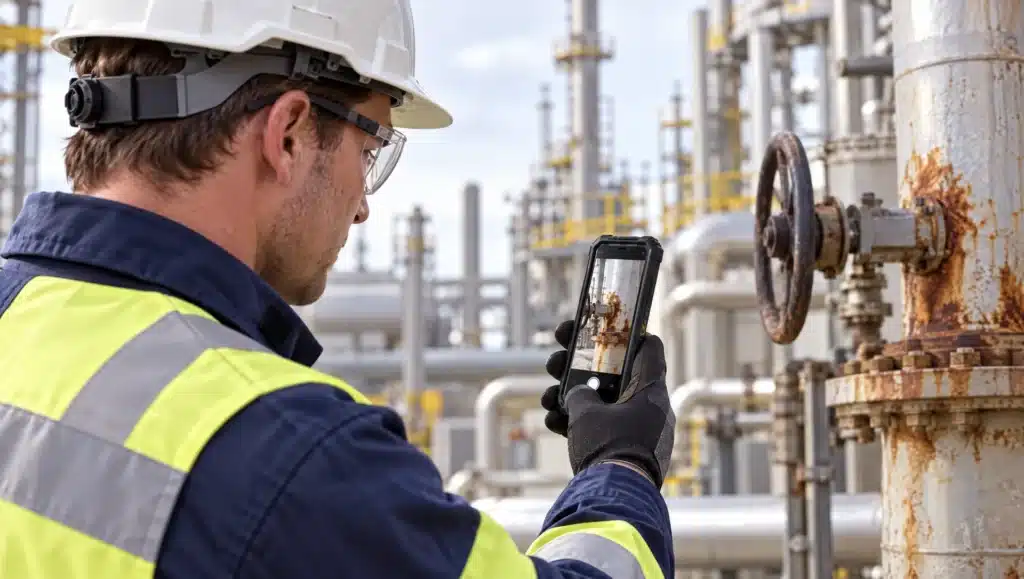
The chemical, energy, and manufacturing sectors are currently facing a demographic cliff. A generation of highly specialized senior engineers is retiring, taking decades of institutional knowledge with them. At the same time, modern plant infrastructure is becoming increasingly complex.
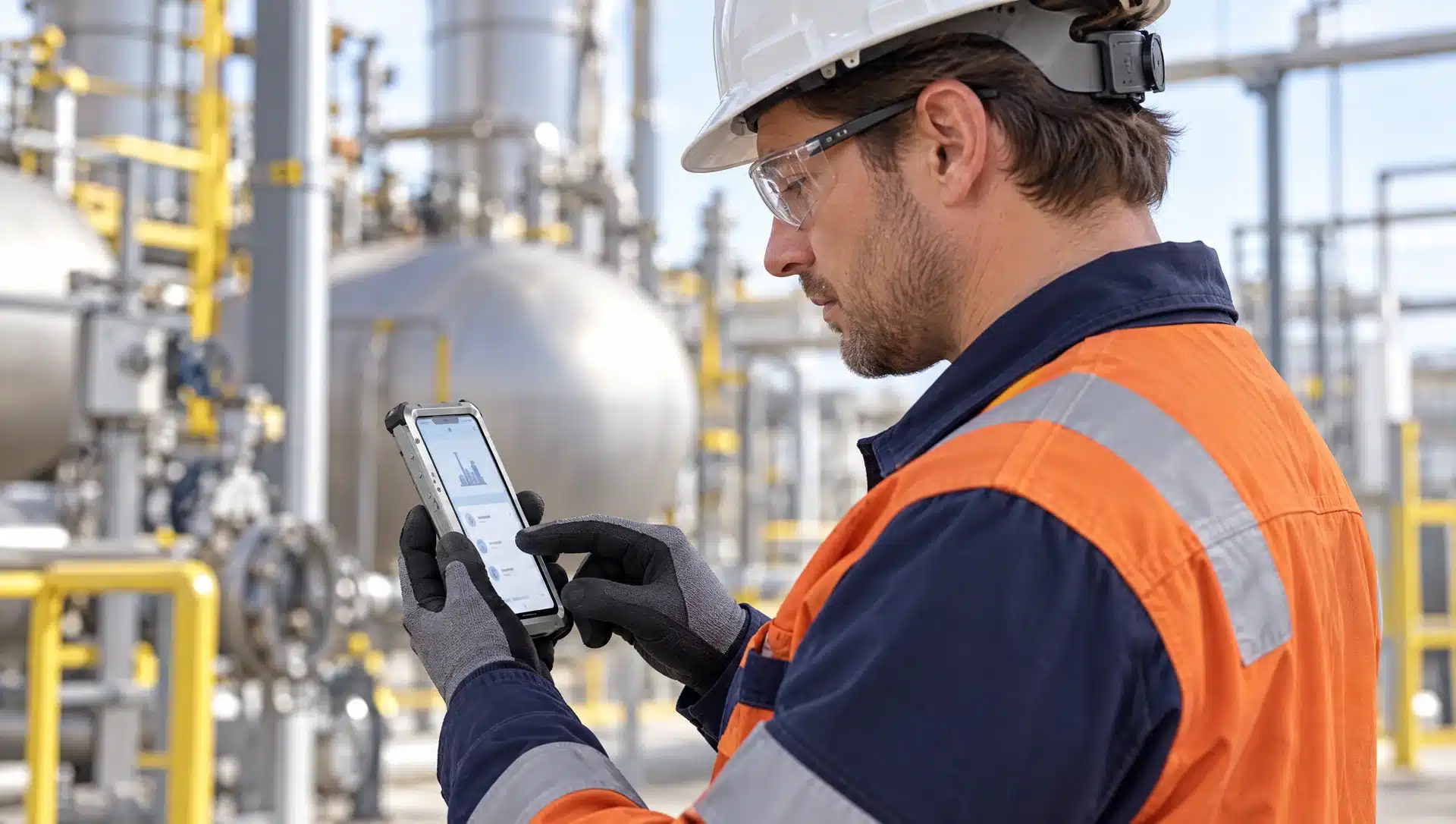
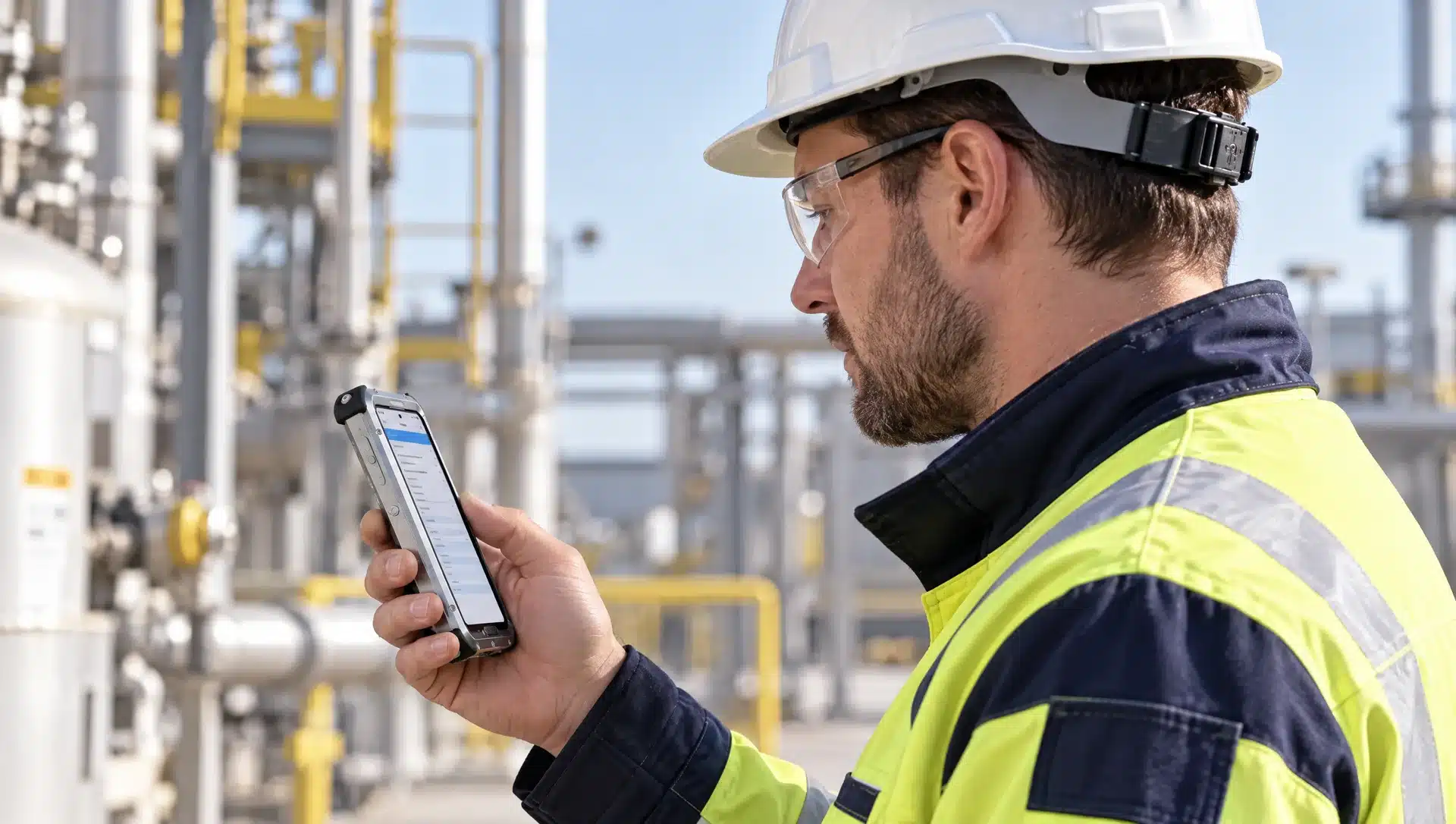
To cope with this shift, industrial operations are adopting a centralized remote support model. Instead of flying specialists to remote offshore platforms or isolated refineries, a single senior engineer can sit in a control room in Aberdeen or Houston and visually guide on-site generalists through complex repairs.
It is a brilliant operational strategy, but it possesses a single, critical point of failure: the visual fidelity of the camera held by the field technician. If the live video feed is dark, lagging, or heavily pixelated, the remote expert is effectively working blind. Bad video inevitably leads to misdiagnoses, prolonged downtime, and severe safety risks.
At Atexxo Manufacturing, we regularly see facilities invest millions in private 5G networks and enterprise software, only to bottleneck their remote support workflows with outdated, low-quality camera hardware. Here is why premium optical performance is the non-negotiable foundation of remote industrial support.
The true cost of a blurry video feed
Guiding a technician through a complex electrical fault or a high-pressure valve overhaul requires significantly more than a wide-angle overview of the room. A remote specialist needs to see granular, microscopic details to make confident decisions.
When a field worker is streaming video from a standard, legacy industrial camera, the lack of resolution forces the remote expert into a dangerous guessing game. Is that a shadow on the flange, or a hairline stress fracture? Is the seal properly seated in the groove, or is it slightly extruded?
To provide definitive answers, the field device must deliver:
- macro focusing capabilities to sharply resolve worn serial numbers, electrical schematics, and thread engagement from just a few centimeters away.
- true optical magnification (such as a 5x or 8x optical zoom lens) to safely inspect elevated or dangerous components without forcing the technician to cross a safety perimeter.
- optical image stabilization (OIS) to maintain a smooth, artifact-free 4K video feed, even when the technician is climbing a ladder or struggling with heavy protective gloves.
Augmented reality lives or dies by visual contrast
The impact of high-definition video multiplies exponentially when combined with augmented reality (AR) support platforms like TeamViewer Frontline, Scope AR, or PTC Vuforia. These tools allow offsite experts to draw 3D spatial annotations directly onto the live camera stream. A senior engineer can draw a circle around the exact bolt that needs loosening, and that digital ink remains locked onto the physical object, even as the field technician moves the camera.
However, AR tracking algorithms rely heavily on visual contrast and feature points to lock those digital markers in place. If the camera stream is low-resolution, poorly lit, or blurred from motion, the software loses its tracking points. The digital annotations will begin to drift across the screen, creating massive confusion and potentially causing the technician to interact with the wrong component.
Crisp, high-resolution video input is the only way to ensure precise, reliable AR tracking in industrial environments.
The connectivity and bandwidth puzzle
Of course, a 4K camera is useless if the site infrastructure cannot transmit the data. Delivering smooth, high-definition live video from the depths of a dense industrial facility requires careful network planning.
Heavy structural steel and thick containment vessels create massive radio frequency blind spots. Facilities must rely on strategically placed ruggedized Wi-Fi access points or deploy private cellular networks (LTE and 5G) to ensure continuous coverage. For a basic, reliable high-definition stream, you need a minimum uplink speed of 5 Mbps. However, for optimal 4K video feeds and real-time AR collaboration, facilities should target an uplink capacity between 10 Mbps and 25 Mbps.
Empowering the field with ATEX-certified smart devices
Providing field technicians with the optical performance required for remote support creates a unique hardware challenge. The best multi-camera systems in the world are found on flagship consumer smartphones—but bringing an uncertified consumer device into an ATEX or IECEx Zone 1 or Zone 2 classified area introduces a severe ignition risk.
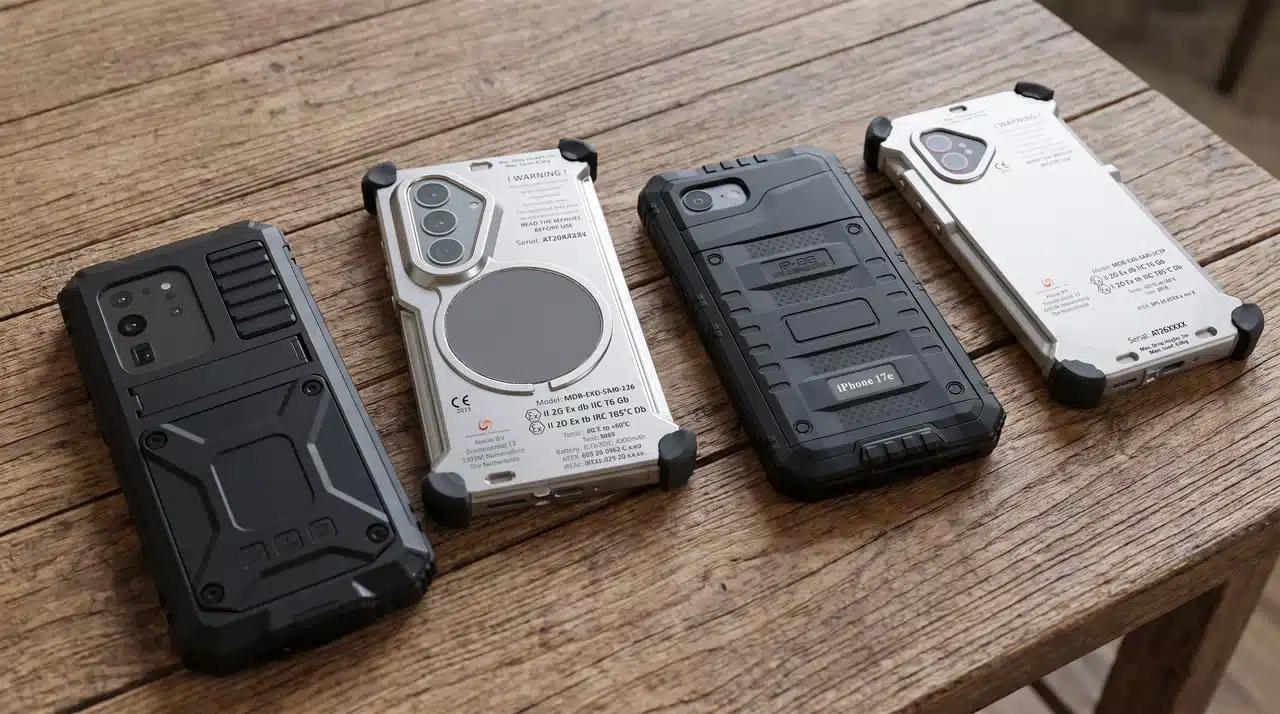
This is where Atexxo Manufacturing steps in. We take the world’s most advanced mobile hardware—such as the ATEX iPhone 17 Pro Max—and engineer certified explosion-proof enclosures around them.
By utilizing Atexxo’s converted smart devices, your field teams gain instant access to 48-megapixel sensors, rapid phase-detection autofocus, multi-lens zooming, and seamless AR compatibility. The technician gets a user-friendly iOS interface they already know how to use, the remote expert gets a flawless 4K video feed, and the facility maintains absolute safety compliance.
Frequently asked questions
What is the best camera setup for remote expert support in hazardous areas?
An enterprise flagship smartphone housed within an ATEX or IECEx certified explosion-proof enclosure offers the best possible hardware setup. This combination provides high optical zoom, 4K video stabilization, excellent low-light performance, and the processing power required for live streaming, all while remaining strictly compliant with safety regulations.
What network bandwidth is required for live industrial video support?
For a reliable, high-definition video feed during remote visual inspections, plan for a minimum uplink speed of 5 Mbps. For optimal performance, including smooth 4k video streaming and real-time AR annotation tracking without lag, a robust connection between 10 Mbps and 25 Mbps is highly recommended.
Which AR remote support platforms are compatible with iOS in field environments?
Leading enterprise AR platforms, including TeamViewer Frontline, Scope AR, and PTC Vuforia, are fully compatible with iOS. These applications enable remote experts to overlay live 3D annotations, digital callouts, and step-by-step technical procedures directly onto the technician’s live iPhone camera feed.